Vibrating Screen: The Silent Killer of Your Profit
2026年4月7日
Stop Buying Impact Crushers Based Only on the Price Tag
2026年4月14日Vibrating Screen: The Silent Killer of Your Profit
2026年4月7日Stop Buying Impact Crushers Based Only on the Price Tag
2026年4月14日Blog
Choosing the Right Vibrating Feeder for Your Rock Crushing Plant
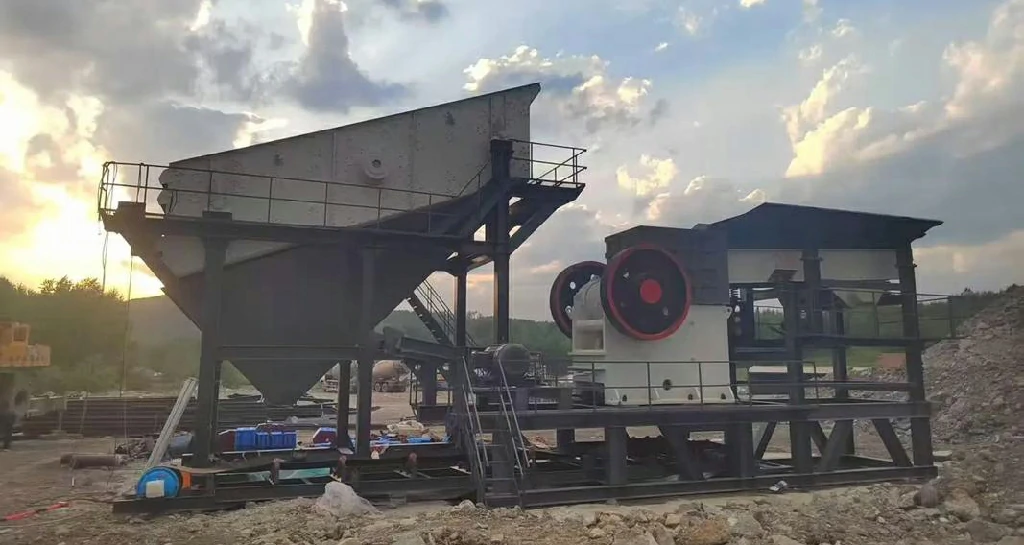
I ’ve lost count of how many quarry owners tell me their jaw crusher is underperforming. They blame the motor, they blame the liners, they even blame the rocks. But you want to know the real culprit 90 percent of the time? It ’s that rusted old vibrating feeder at the start of the line. If your feeder is a mess, the whole plant is a mess. Simple. You either starve the crusher or you choke it until the belts scream. At DBM, we look at feeding as an art, not just a conveyor belt with a motor. I’ve seen enough "starving" crushers to know the difference.
Wait—Is a Grizzly Feeder Always Better?
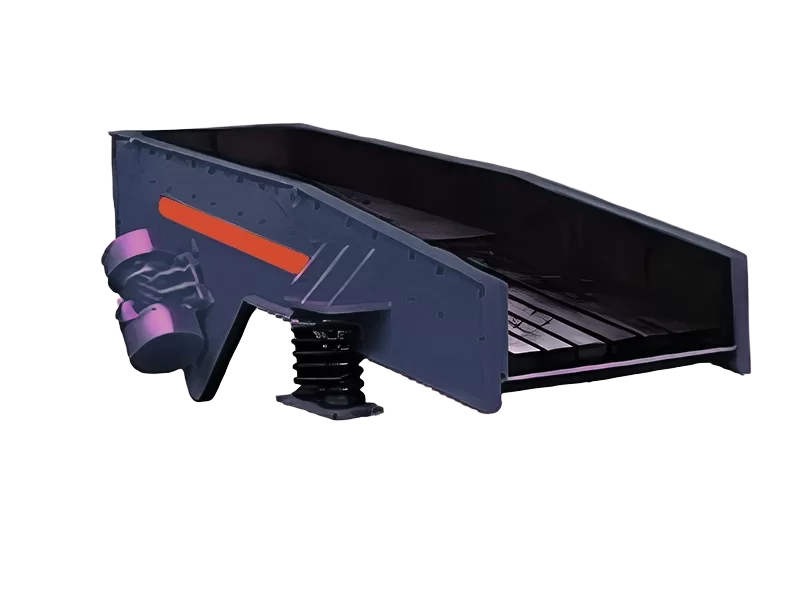
Everyone wants a "grizzly" because it looks tough. But do you actually need those bars? In a hard rock setup, a Vibrating Grizzly Feeder is your best friend. Why? Because it sorts the "fines" before they ever hit the crusher.
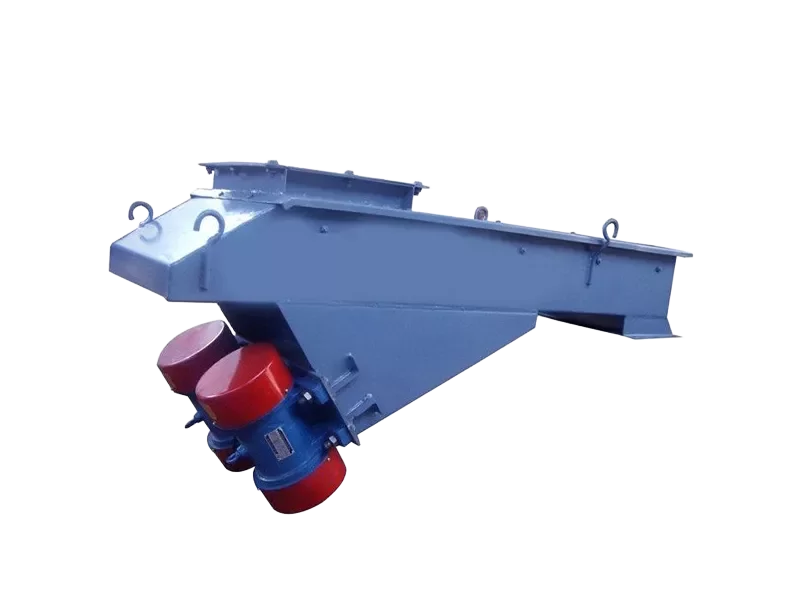
Why waste energy crushing dirt that ’s already small enough? That ’s just throwing money into the wind. If you are processing granite with a lot of soil mixed in, and you don't use a grizzly section, you are effectively wearing out your crusher liners for nothing. DBM ’s GZD series is built for this—it takes the hit from the dump truck and keeps the flow steady. No spikes in power, no "empty" crushing cycles.
The Science of the "Dead Bed" in Feeders
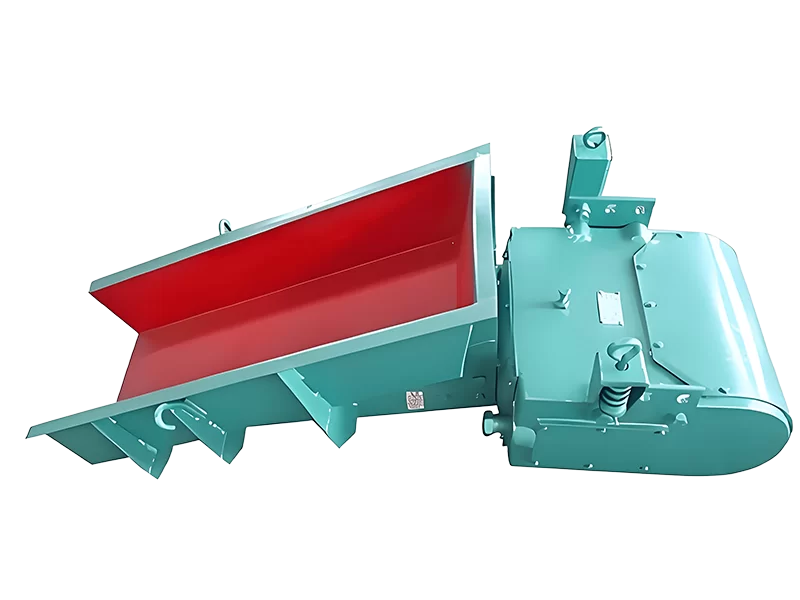
Here is a secret that most "marketing guys" won't tell you: the dead bed. A good feeder design allows for a layer of rock to sit permanently on the bottom. This isn't a mistake. This layer protects the actual steel structure from the impact of 10-ton loads being dropped from a truck. If your current feeder sounds like a gunshot every time a truck unloads, you don't have a dead bed, and your weld points are probably screaming for mercy. At DBM, we design the hopper interface to ensure that "rock-on-rock" impact happens, which saves you thousands in liner replacements over the year.
Manganese vs. Hardened Plates: The Feeders’ Skin
The bottom of your feeder takes more abuse than any other part of the plant. You have choices, and most beginners get this wrong.
-
Manganese Steel Liners: These are for the heavy hitters. If you are dumping 500mm granite chunks, go with this. It actually gets harder the more it gets hit (work hardening).
-
Rubber Liners: Honestly? If you are worried about noise or handling sticky, wet material... rubber is a lifesaver. It doesn't "clog" like steel does when things get muddy. I've seen guys in wet tropical climates switch to rubber and double their uptime overnight.
Believe me, saving $200 on a thinner liner today will cost you a week of downtime next month. Don ’t be that guy.
Technical Data: Real Specs for Real Operators
This is not some marketing brochure. These are the limits we ’ve tested in real basalt and limestone quarries. Look at the power vs. capacity ratio carefully—it tells you how efficient these units are.
Three Levers to Master Your Feed Rate
Don ’t just turn it on and walk away. A feeder isn't a "set it and forget it" machine. You need to tune these three things:
-
Stroke Length and Frequency: Dealing with massive boulders? You need a long, aggressive stroke to move them. If you are feeding small gravel, you want high frequency and short strokes. Most people never check their eccentric block settings after they buy the machine. Don't be one of them.
-
Motor Speed (VFD): If you don't have a Variable Frequency Drive on your vibrating feeder, you are flying blind. You need to adjust the speed as the pile in the bin changes. A full bin feeds differently than a half-empty one.
-
The Grizzly Gap Adjustment: If the gap is too wide, you crush too much. Too small? You bypass nothing. Take the 30 minutes to adjust it every time you change your quarry face. It pays off in a week.
Common Failures: Why Feeders Die Prematurely
Most feeders don't die from "old age." They die from structural fatigue. This happens when the springs aren't matched or when the mounting base isn't level. If you see your feeder "swaying" sideways, stop the line immediately. You are minutes away from a cracked frame. Check your spring tension weekly. Vibration is supposed to move the rocks, not destroy the machine.
Bottom line? A feeder is the heartbeat of your plant. If the heart skips a beat, the whole body fails. Get a high-quality unit, set it up right, and actually watch your TPH (tons per hour) climb for once.
Recommend Equipment
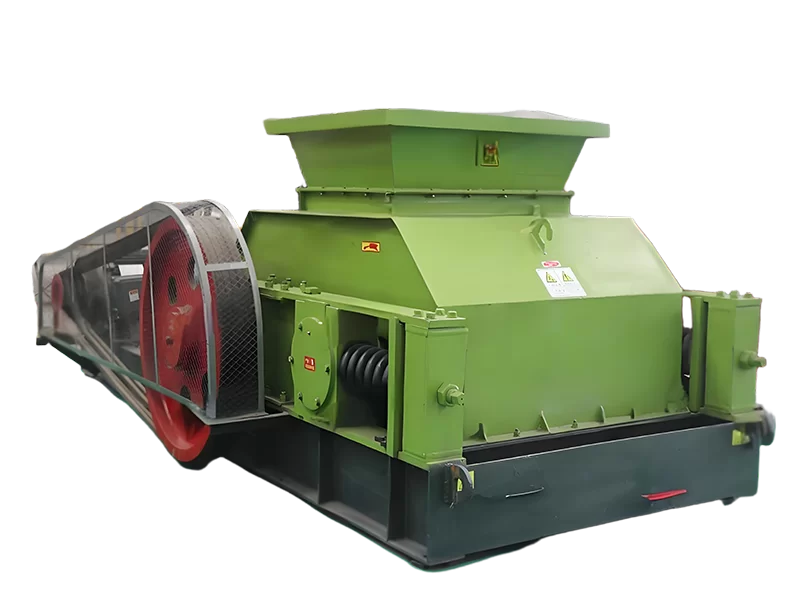

2PGC toothed roll crusher
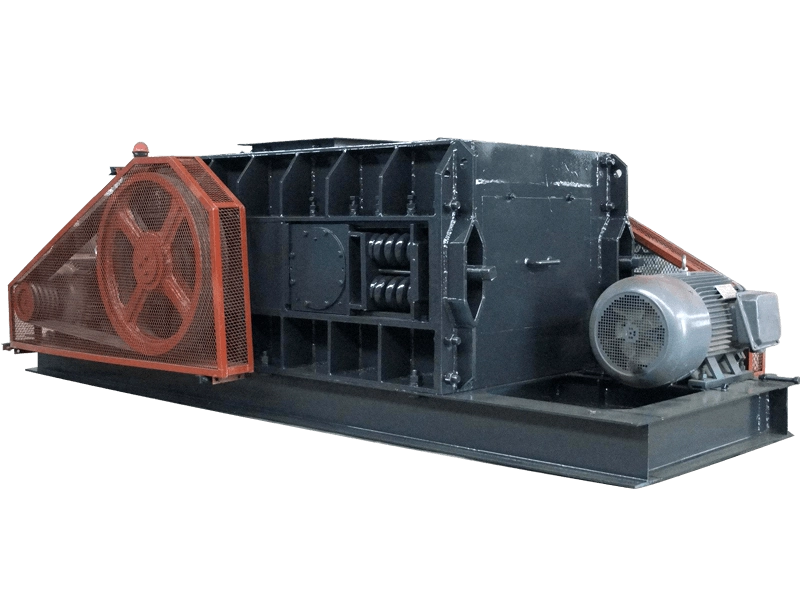
Double Roll Crusher
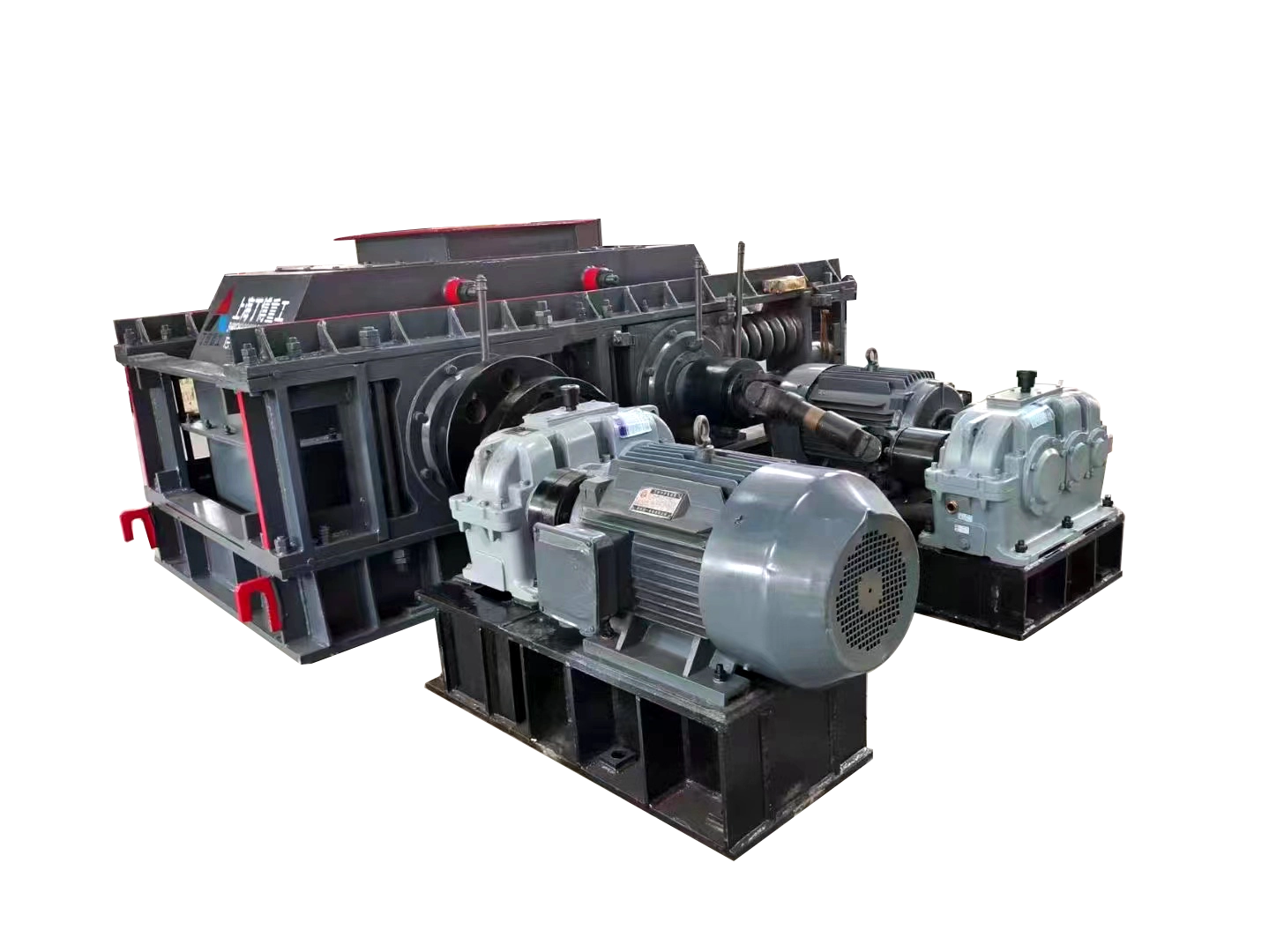
Hydraulic roller crusher
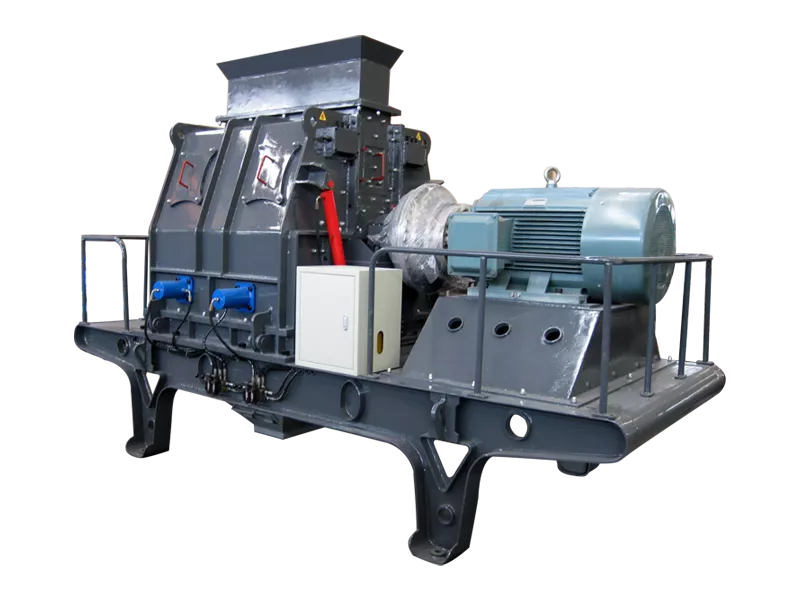
SHKX Reversible Fine Crusher
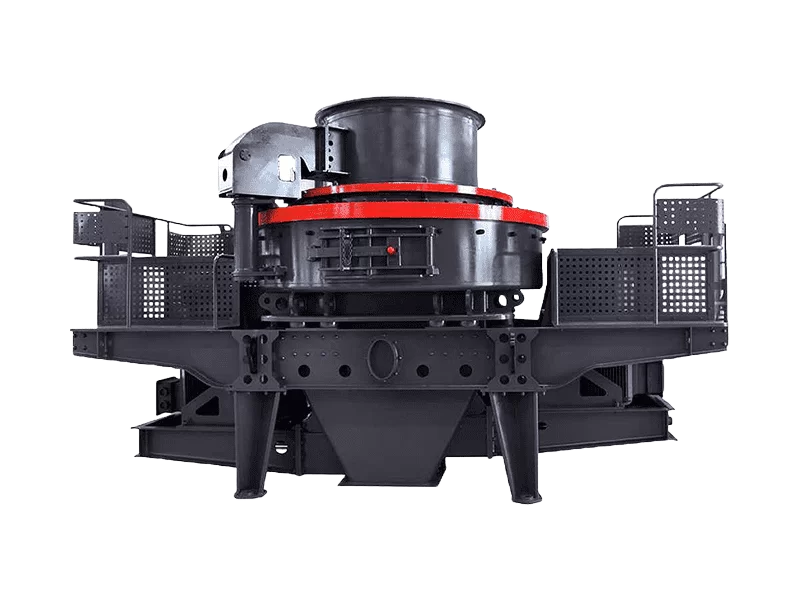
VSI Vertical Shaft Impact Crusher
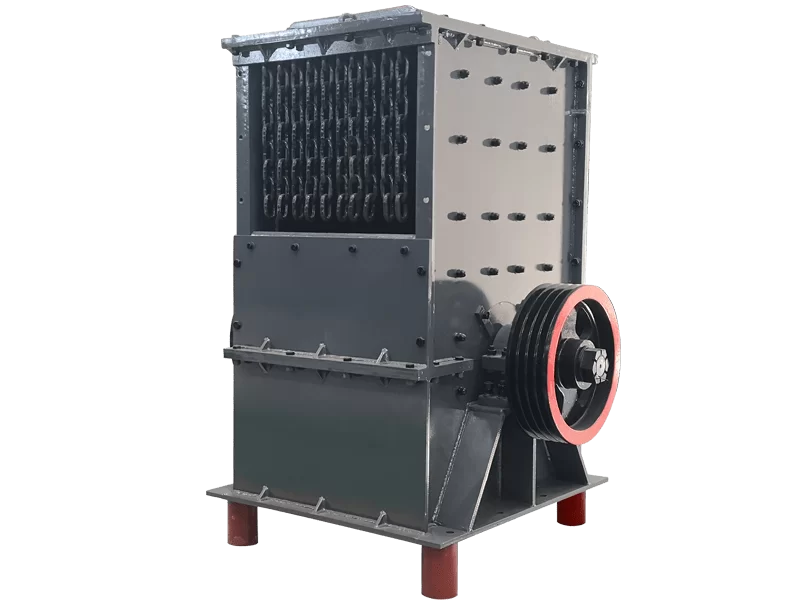
Box crusher
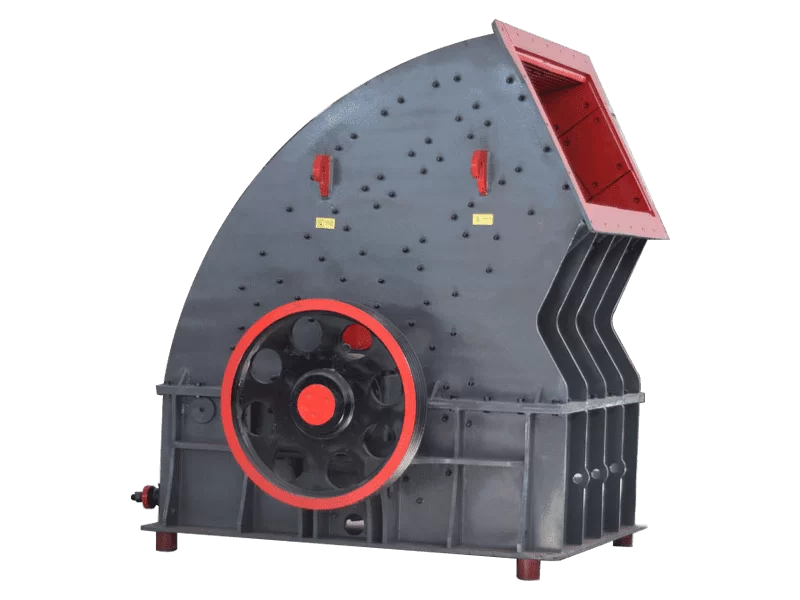
PCZ Heavy Hammer Crusher