
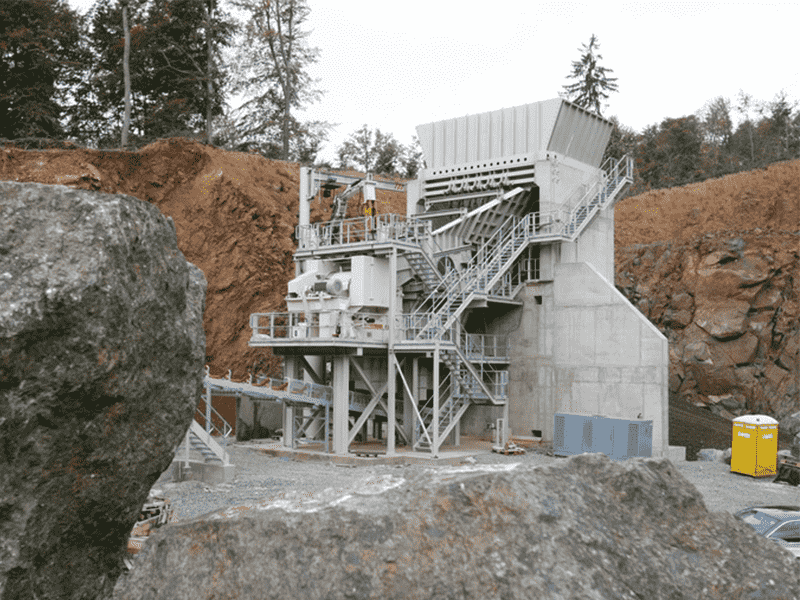
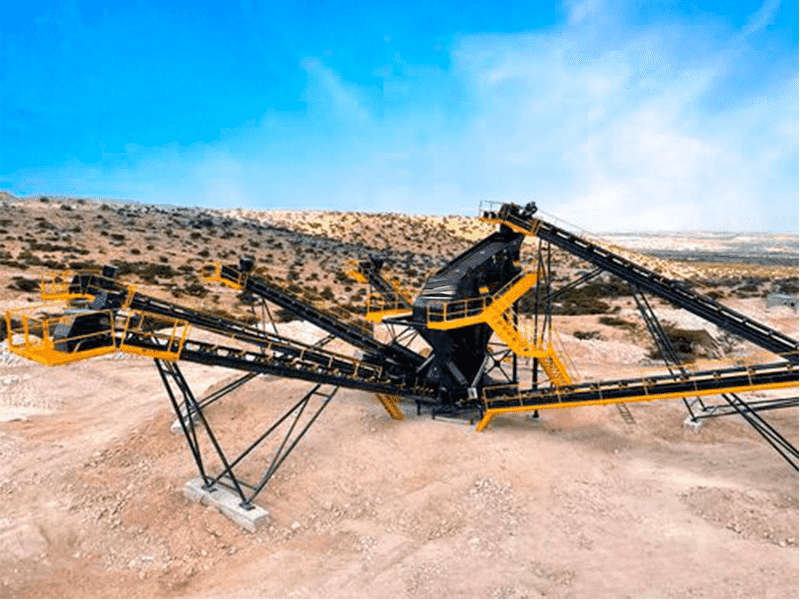
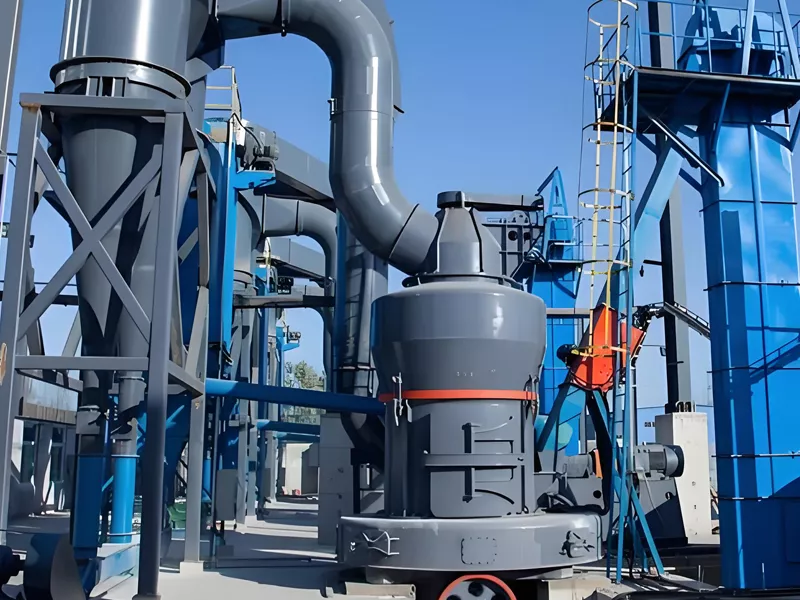
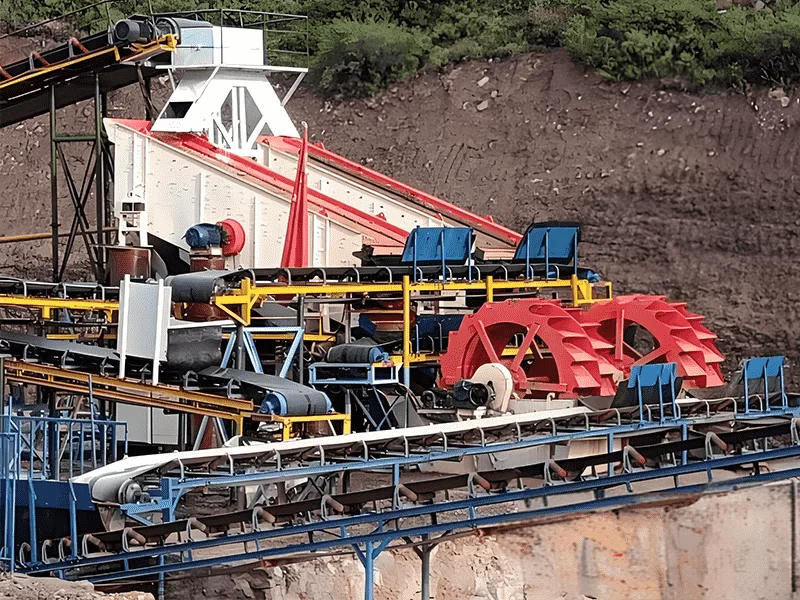
Stone Crusher& Sand Making &
Grinding & Ore Processing
About our company
Experience
㎡ Factory
Project Cases
Skilled Worker
2.Stable performance
3.Easy to maintain
4.Wear-resistant and durable
5.Environmentally friendly and energy-saving
SGS Certification
CE Certification
GOST Certification
2.Stable Performance
3.Easy to maintain
4.Quick Setup
5.Integrated Design
SGS Certification
CE Certification
GOST Certification
2.Stable Performance
3.Easy to maintain
4.Quick Setup
5.Integrated Design
SGS Certification
CE Certification
GOST Certification
2.High Efficiency
3.Versatile Applications
4.Energy Saving
5.Easy Maintenance
6.Customizable Solutions
SGS Certification
CE Certification
GOST Certification
2.Compact Design
3.Easy Integration
4.Low Maintenance
5.Energy Efficient
6.Improves Workflow
SGS Certification
CE Certification
GOST Certification
2.High Capacity
3.Easy Operation
4.Versatile Use
5.Energy-Efficient
6.Low Maintenance
SGS Certification
CE Certification
GOST Certification
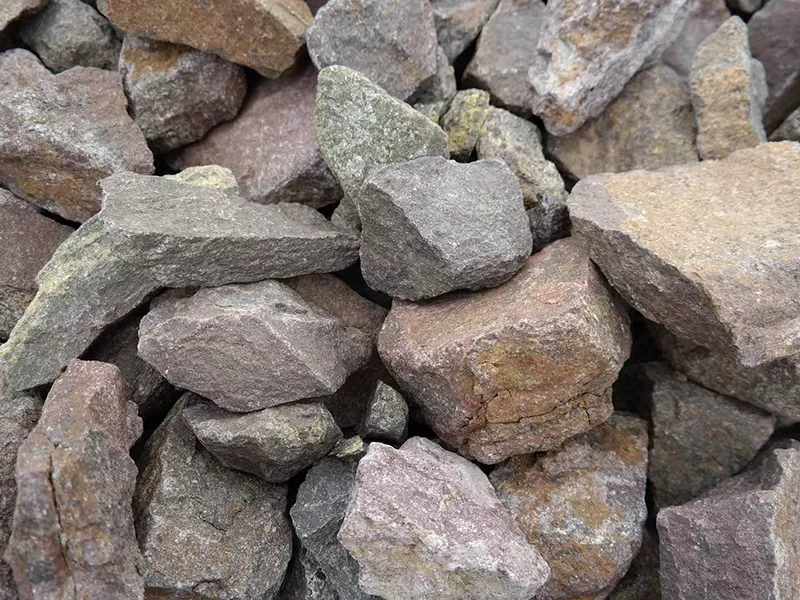
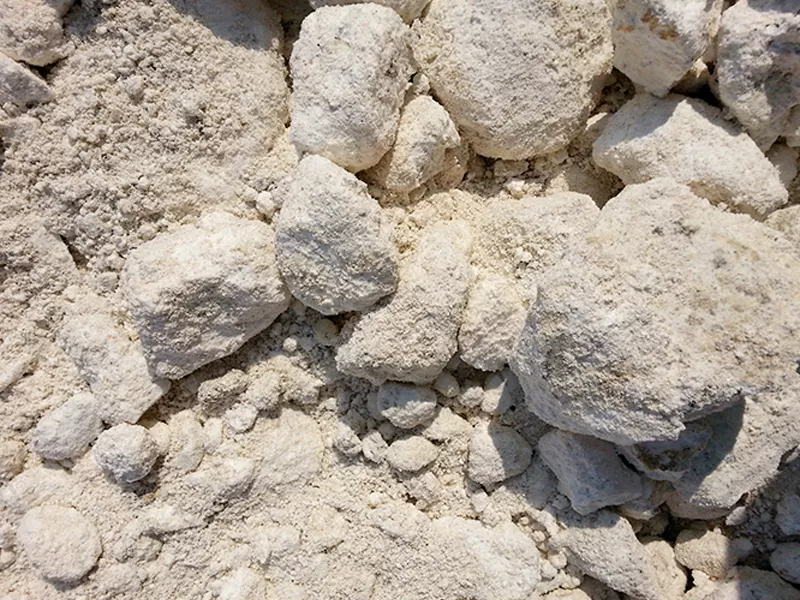
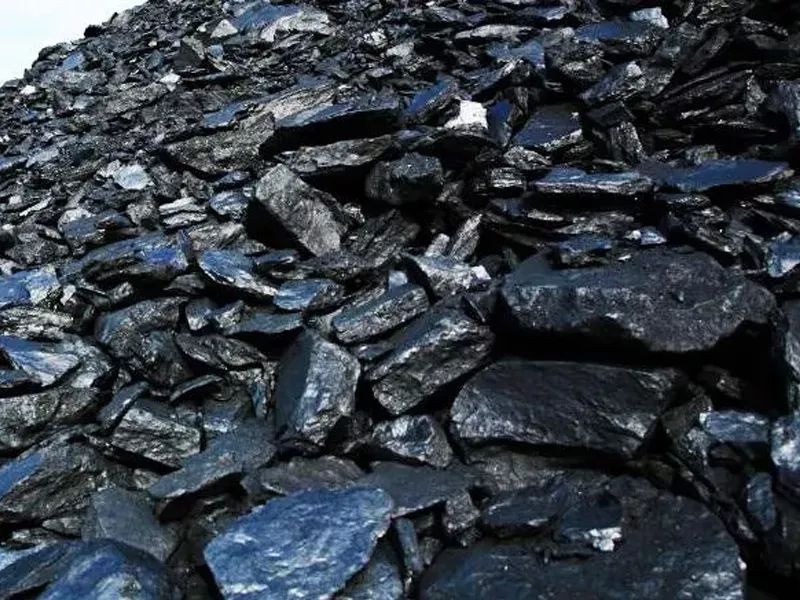
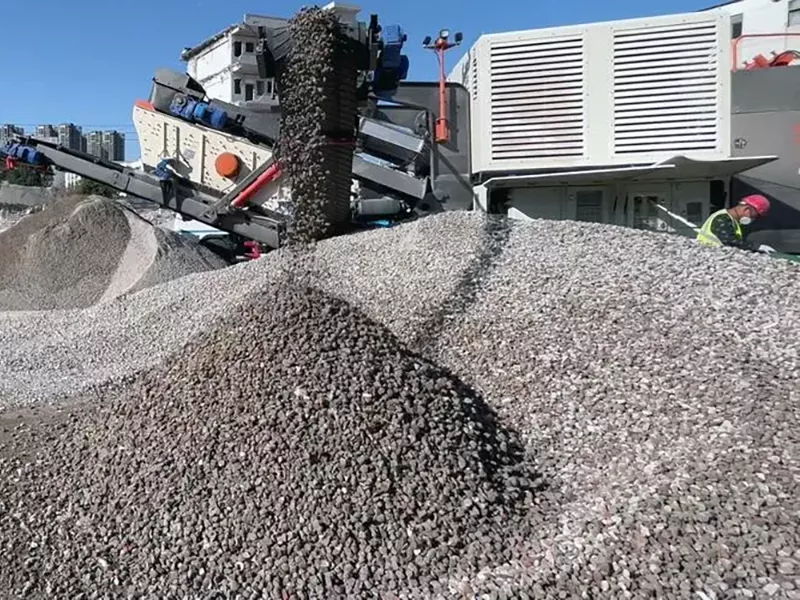
Company Case
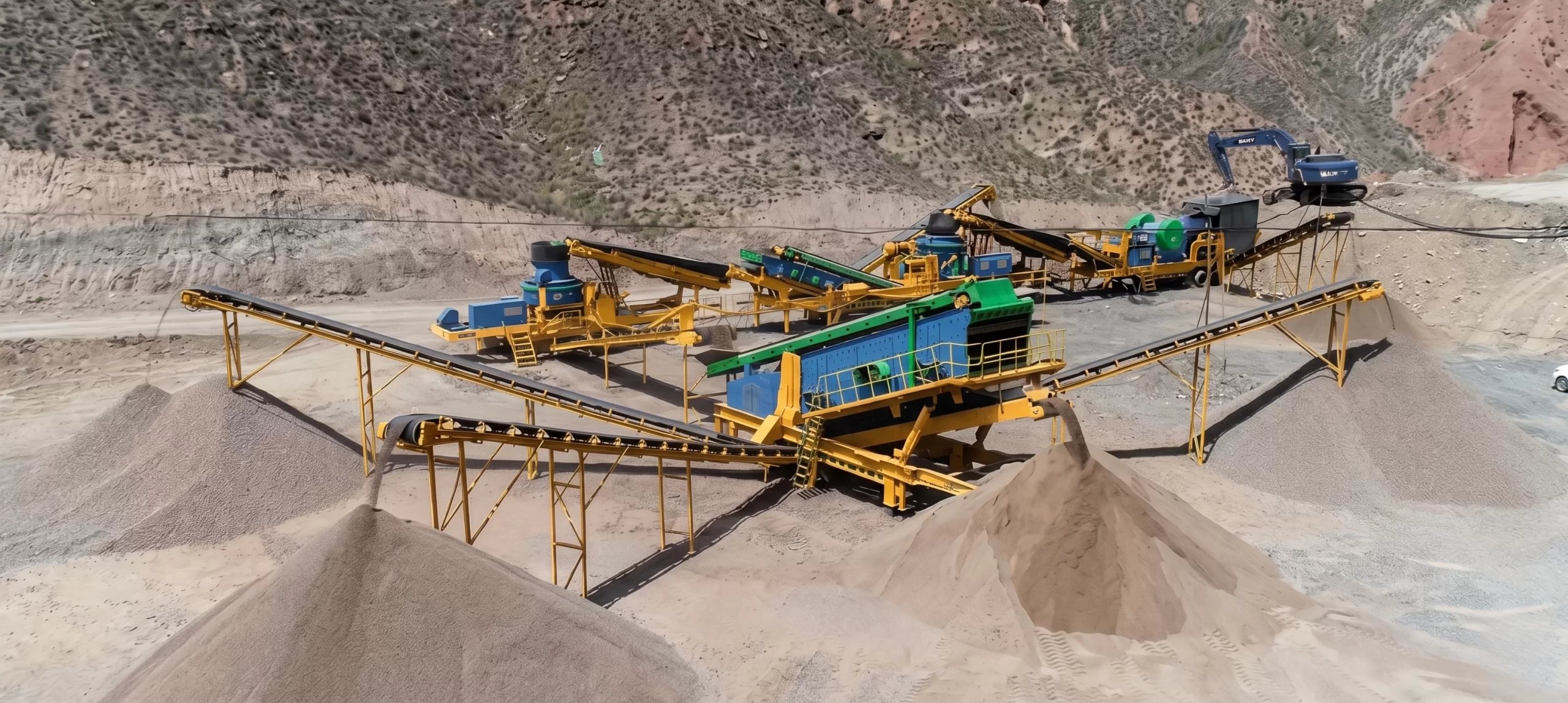
How to Design a 200-300 TPH Stone Crushing Plant for Granite
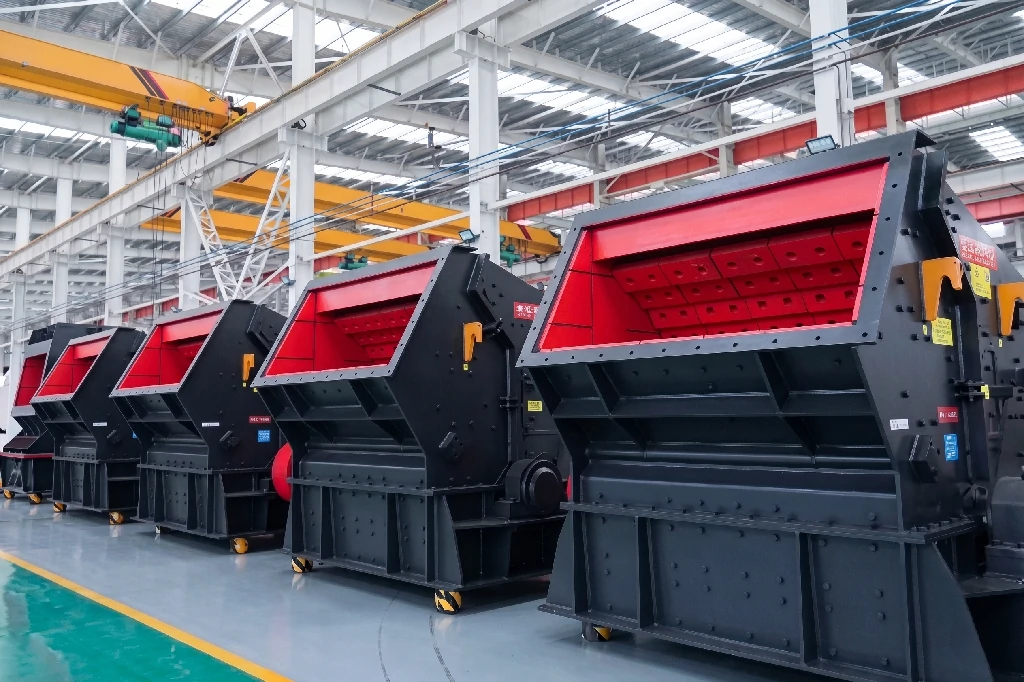
Stop Buying Impact Crushers Based Only on the Price Tag
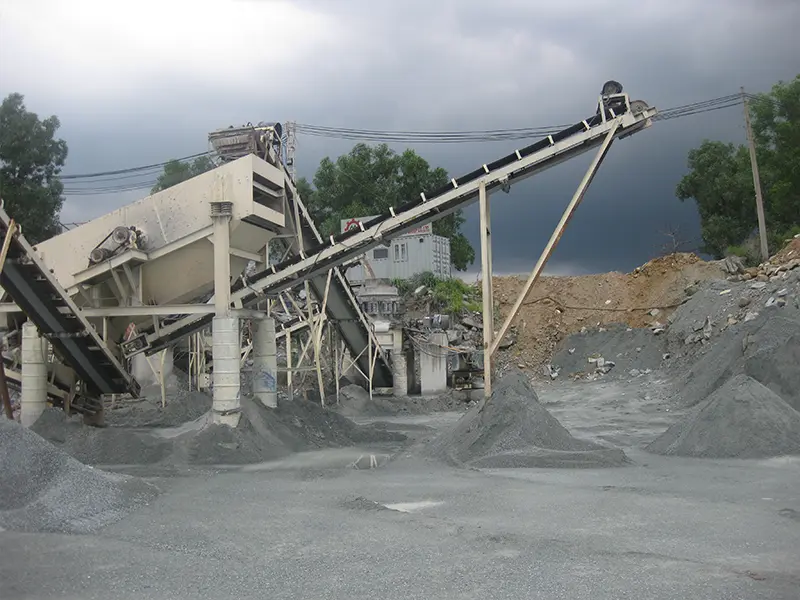
Choosing the Right Vibrating Feeder for Your Rock Crushing Plant
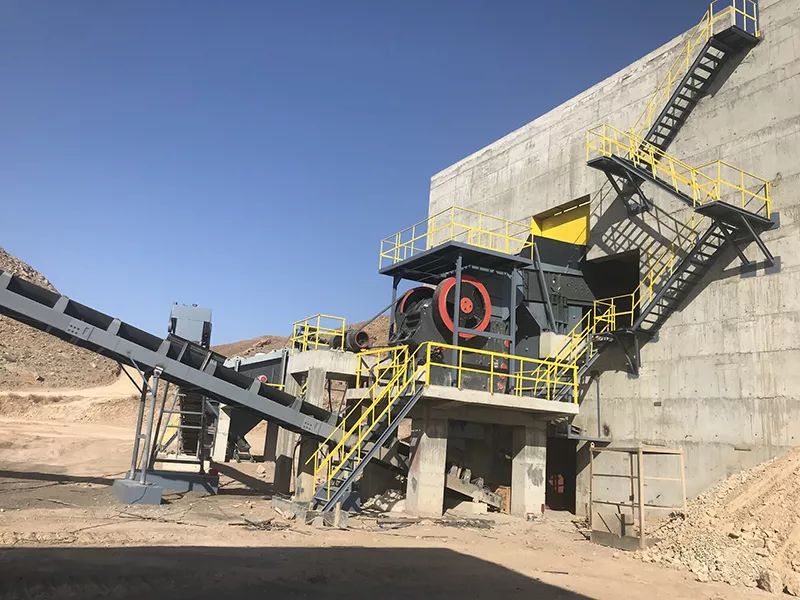
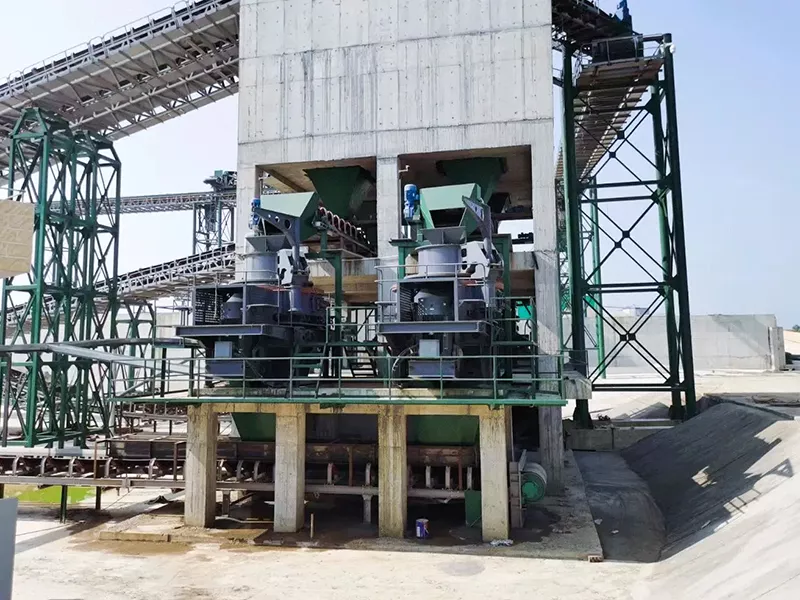
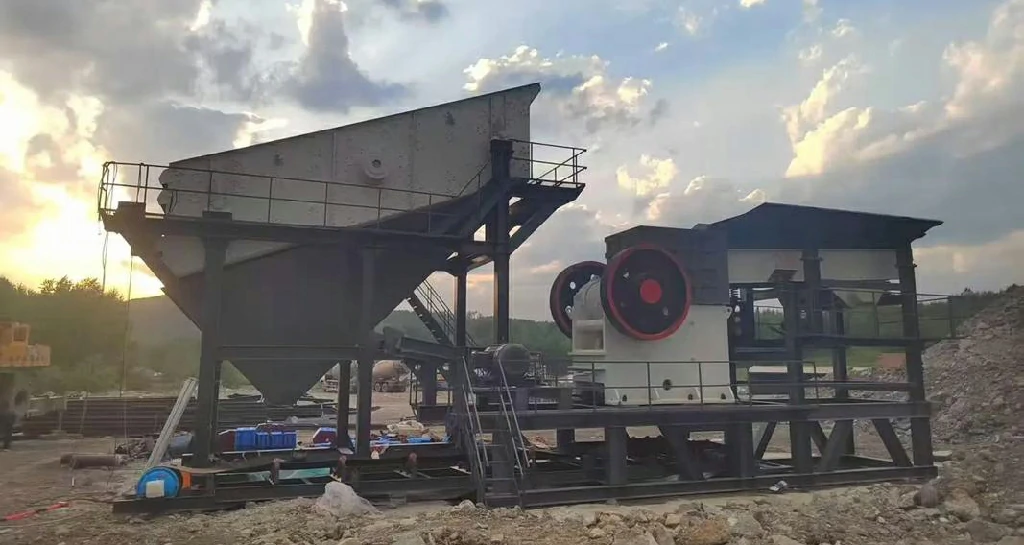
500-600 tons per hour limestone crushing production line in Hubei, China
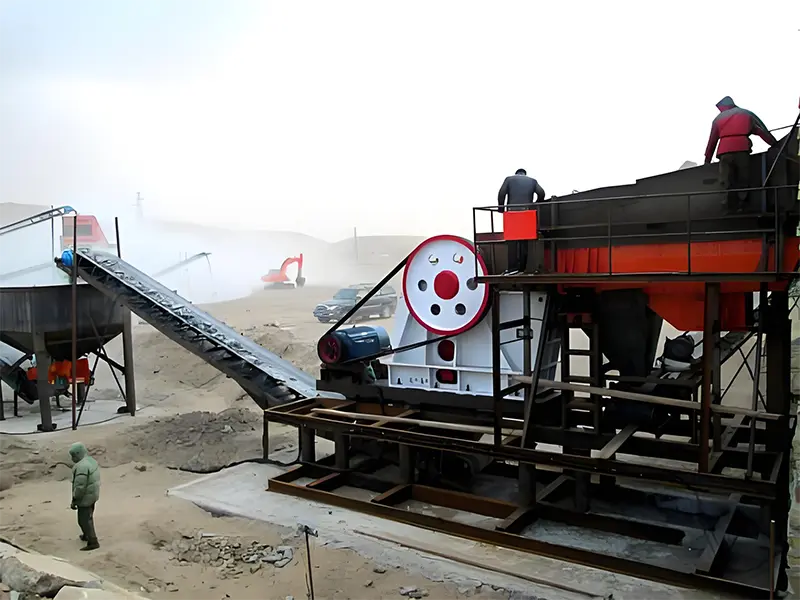
450-500 tons per hour sandstone crushing production line in Lanzhou, Gansu, China
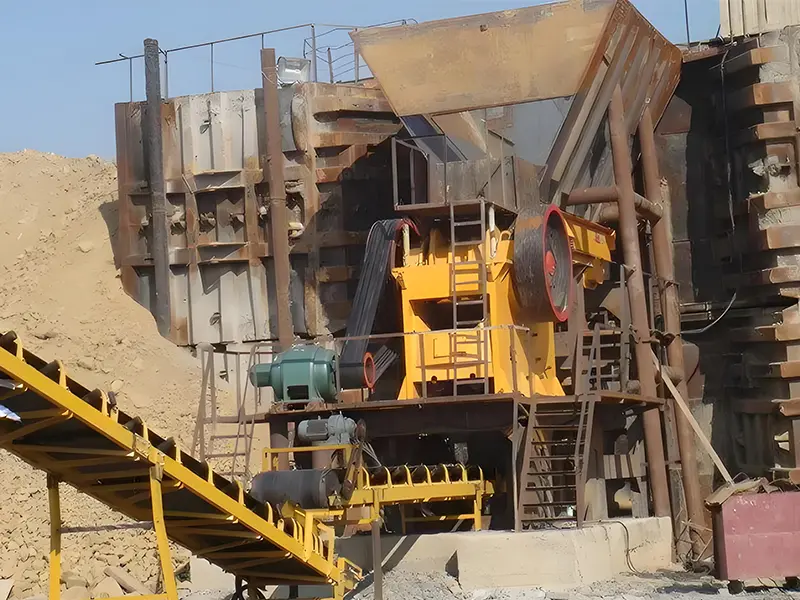
300-350 tons per hour granite crushing production line in Chengdu, Sichuan, China
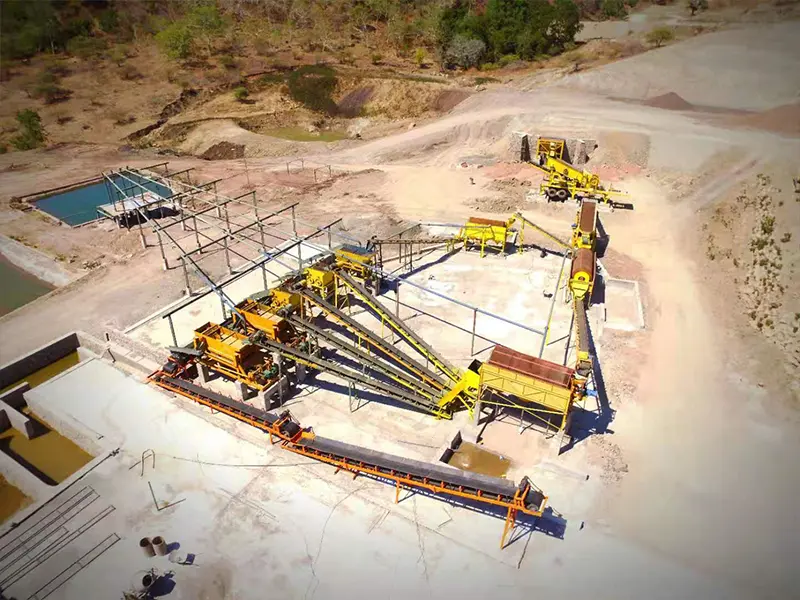
600-700 tons per hour basalt crushing production line in Zhengzhou, Henan, China
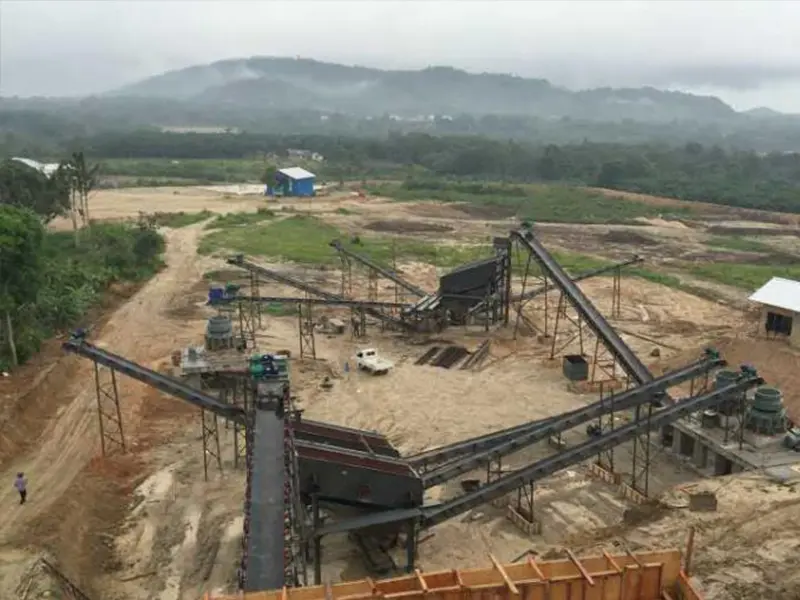
China Shijiazhuang 800-1000 tons per hour medium hard ore crushing production line
Blog
Top 6 Types of Crushers in Mining Machinery and Their Applications
This article discusses various types of crushers used in mining machinery, each with unique working principles and applications. The jaw crusher, with its fixed and movable jaw plates, is suitable for breaking large ore or rock into smaller particles and is widely used in mining and construction. The cone crusher uses an eccentric motion to crush materials between two cones. The hammer crusher employs high-speed hammers for impact crushing, while the impact crusher uses rigid plate hammers for breaking materials. The vertical shaft impact crusher, also known as a sand making machine, features a high-speed rotating impeller for producing construction-grade sand. Lastly, the roller crusher uses two rotating rollers to compress and crush materials. These crushers are essential for processing various types and hardnesses of ore and rock in the mining and construction industries.
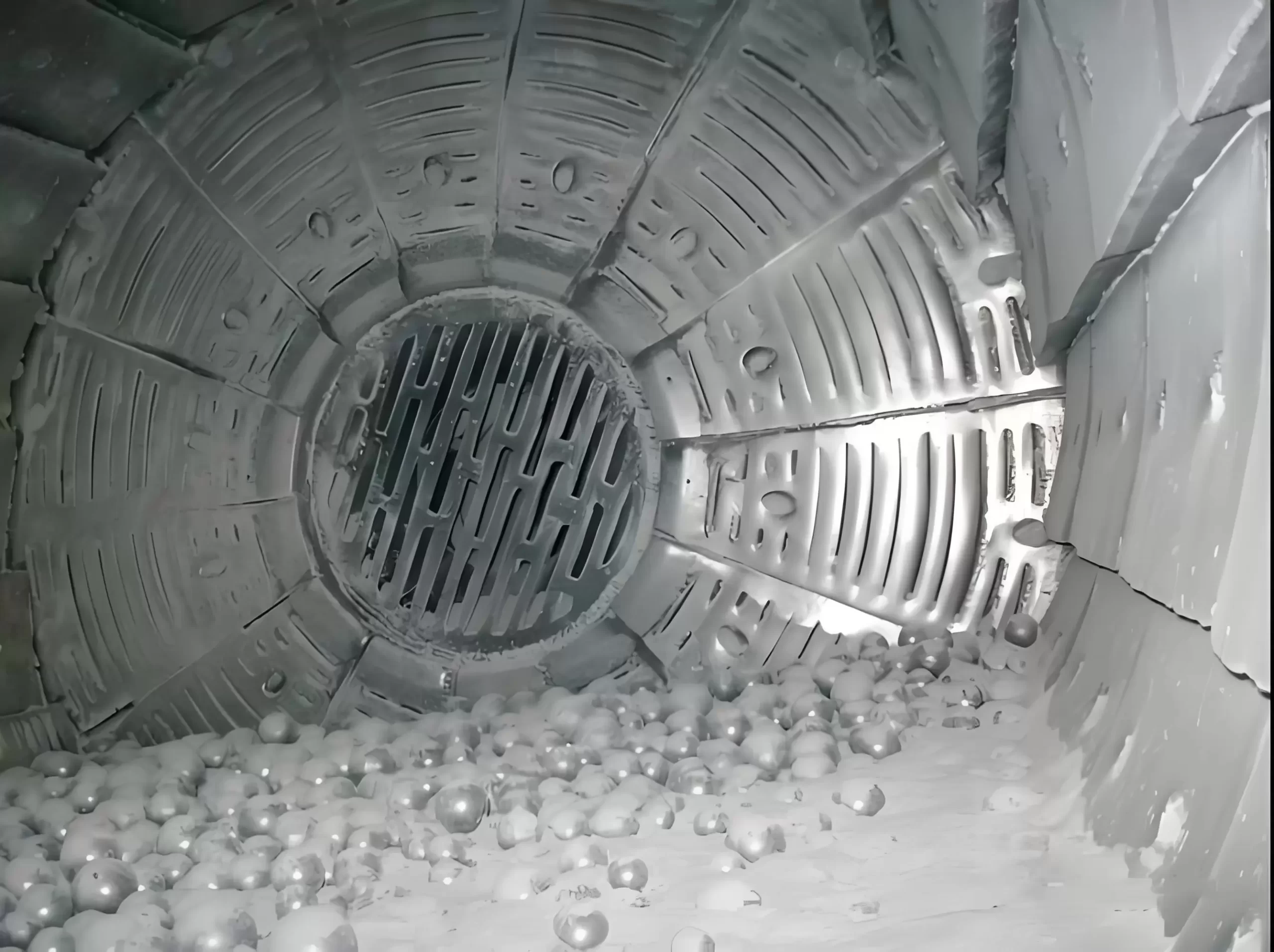

Why the Mobile Crushing Station Is a Qualitative Leap from the Fixed Crushing Production Line
The mobile crushing station offers energy efficiency, flexibility, and lower costs compared to fixed crushers. Discover how mobile crushing stations mark a transformative upgrade in material processing across various industries.
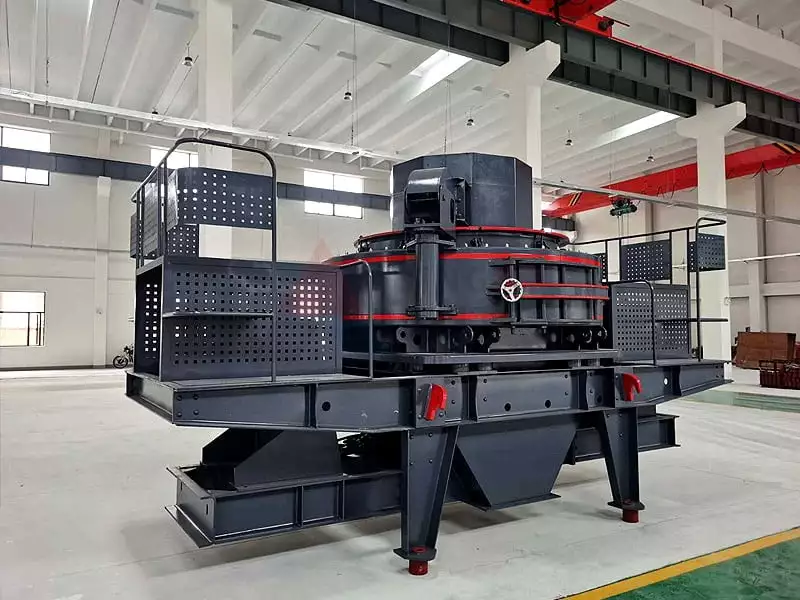
How to Solve the Problem of Manufactured Sand Loss in Production
This article addresses the common issue of fine sand loss in the production of manufactured sand, which leads to resource waste and reduced efficiency. The primary causes include excessive fine sand proportion, improper equipment selection, and poor moisture control. Solutions involve controlling fine sand generation at the source, choosing appropriate fine sand recovery equipment, utilizing sedimentation tanks for secondary recovery, and managing water volume effectively. These measures aim to minimize fine sand loss and optimize production efficiency.
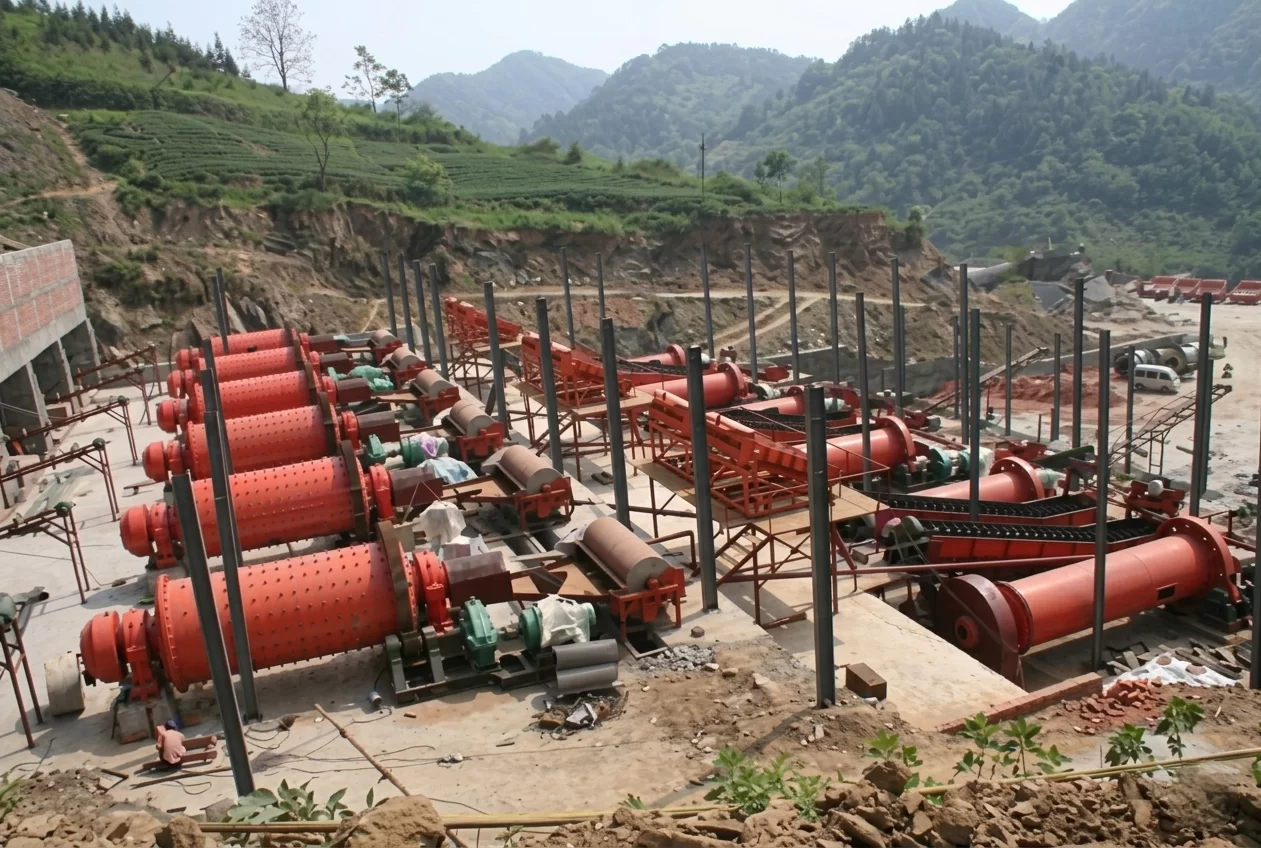
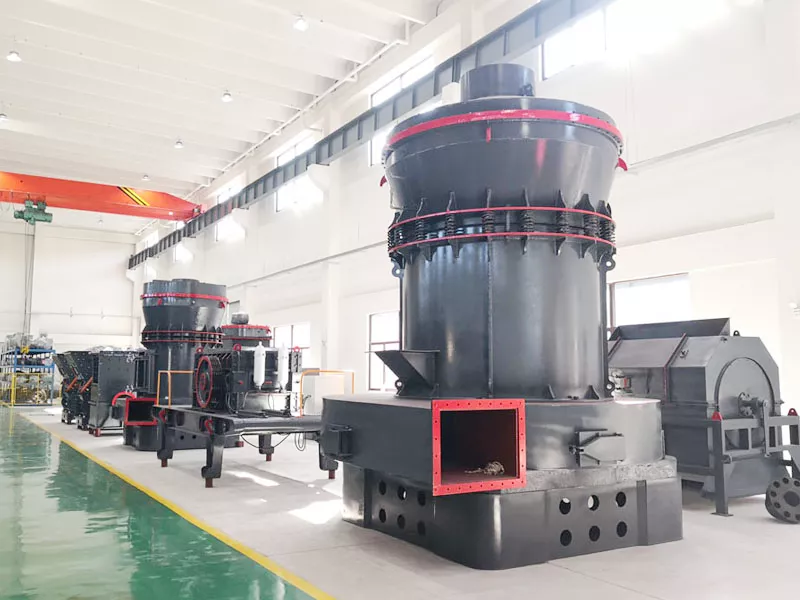
Why the Raymond Mill Motor Won’t Start: Causes and Troubleshooting Tips
This article addresses the critical issue of a Raymond mill’s motor failing to start, which halts production. It outlines the primary causes for this problem, including power issues, low overcurrent relay settings, excessive motor load, and incorrect wiring. The article then provides practical solutions for each cause, such as checking and repairing electrical components, adjusting relay settings, reducing the motor load, and correcting wiring errors. Understanding and addressing these issues is crucial for maintaining uninterrupted operation and optimal performance of the Raymond mill.
FAQ
Testimonials

We opted for a mobile crusher from DBM due to its versatility. It's surprisingly easy to maneuver around the site and has significantly boosted our productivity. The build quality is also impressive.
Carlos Rodriguez
Latin American Infrastructure Development Corp.The mining machine we got from DBM is robust. Initially, there was a slight issue with the feed system, but their technical team responded promptly and resolved it. Now, it runs smoothly.
Vikram Singh
New Delhi Construction EnterprisesWe recently acquired a crusher from DBM for our construction project. It's been handling the tough materials with ease and the maintenance required is minimal. Good value for the investment.
Rajesh Patel
Indian Construction Group Ltd.