Choosing the Right Vibrating Feeder for Your Rock Crushing Plant
2026年4月9日
How to Design a 200-300 TPH Stone Crushing Plant for Granite
2026年4月16日Choosing the Right Vibrating Feeder for Your Rock Crushing Plant
2026年4月9日How to Design a 200-300 TPH Stone Crushing Plant for Granite
2026年4月16日Blog
Stop Buying Impact Crushers Based Only on the Price Tag
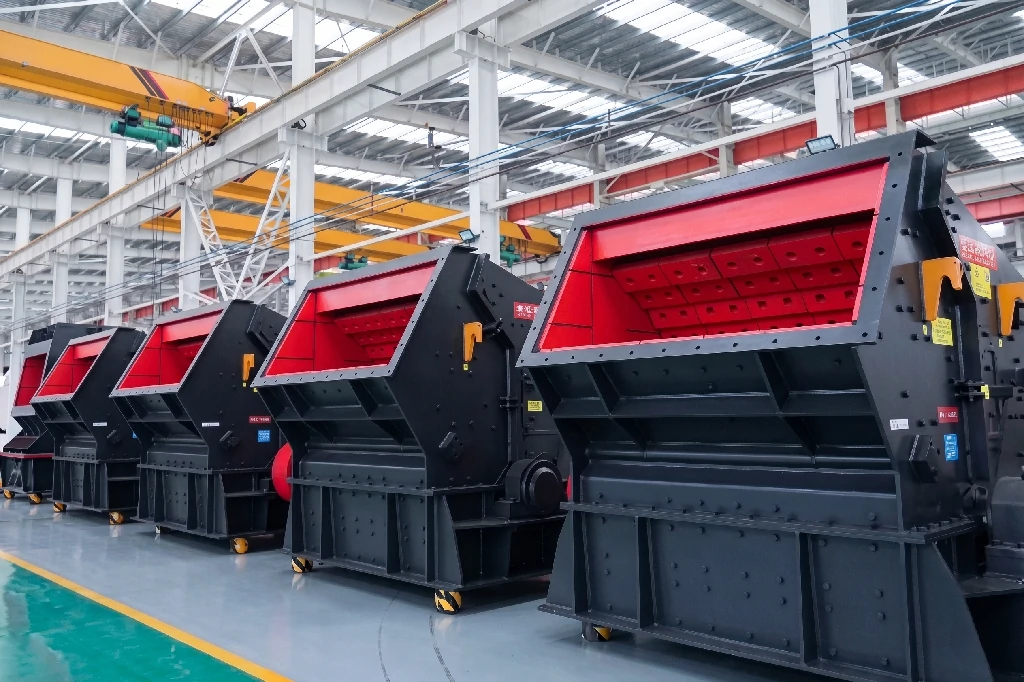
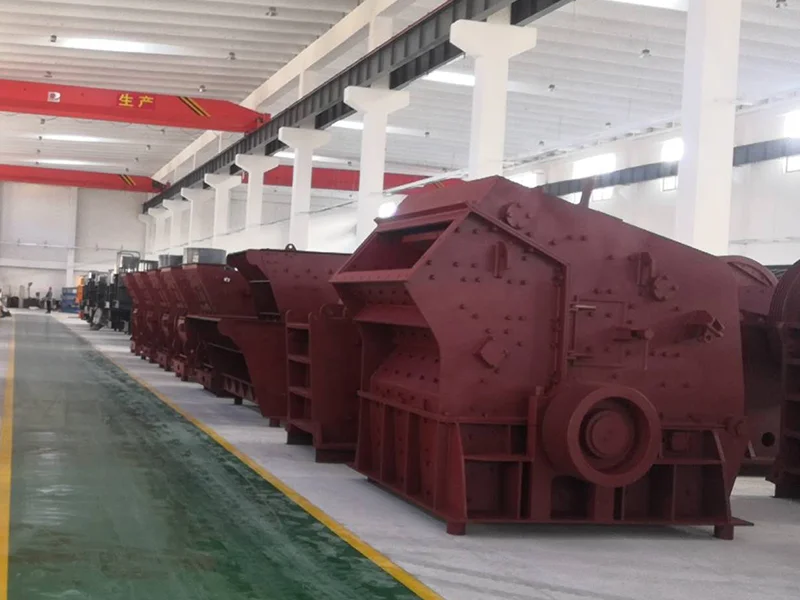
I ’ve seen it a hundred times. A quarry owner gets a "great deal" on a cheap impact crusher, and three months later, they are calling me because the blow bars snapped or the rotor is vibrating like an earthquake. Look, if you only care about the initial price tag, you aren't running a business—you ’re gambling. In a real rock crushing plant, the impactor is where the quality happens. If you want cubical aggregates that meet high-speed highway specs, you need a machine that can actually handle the impact. At DBM, we don’t just sell steel; we sell uptime.
The Magic is in the Rotor (And Why Most are Too Light)
The heart of any impact crusher is the rotor. Most cheap manufacturers cut costs here by using lighter materials. Big mistake. A light rotor doesn't have the momentum to handle large feed sizes. It slows down, the motor overloads, and your production rate drops off a cliff.
DBM ’s PF series uses a heavy-duty, high-inertia rotor. It ’s like a sledgehammer versus a household hammer. When that heavy rotor hits a piece of limestone, it stays at speed. You get consistent sizing and, more importantly, you don't burn out your motor in six months. I’ve personally stood next to PF units running 10 hours a day without a single hiccup in the RPM.
Blow Bars: The Truth About Wear Costs
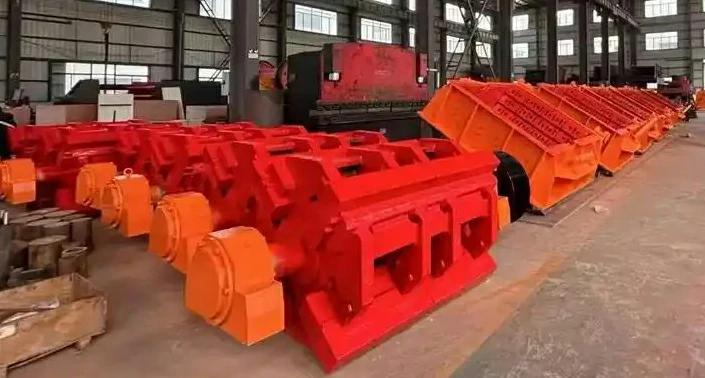
Let ’s talk about the elephant in the room: Blow bars. These are your biggest "consumable" cost. If you are crushing hard rock like basalt with a standard chrome bar, you are basically throwing money into the crusher.
-
High-Chrome Bars: Best for limestone or non-abrasive rocks. They stay sharp and give you that perfect cubical shape.
-
Martensitic Steel: If there ’s a bit of tramp iron or the rock is slightly tougher, this is your insurance policy. They don't snap as easily as high-chrome.
At Dingbo(DBM), we design our blow bars with a unique locking system. I can’t tell you how many operators I’ve seen struggling for two days just to flip a bar. Our wedge-block design means you can flip them in a few hours and get back to making money.
Technical Data: PF Series Performance
Don’t take my word for it. Look at the numbers. This table shows exactly what these machines can do when they are fed correctly.
| Model | Rotor Size (mm) | Max Feed (mm) | Capacity (t/h) | Power (kW) |
|---|---|---|---|---|
| PF-1007 | Φ1000×700 | 300 | 30-70 | 45 |
| PF-1010 | Φ1000×1050 | 350 | 50-90 | 75 |
| PF-1210 | Φ1250×1050 | 350 | 70-130 | 110 |
| PF-1214 | Φ1250×1400 | 400 | 130-180 | 132 |
| PF-1315 | Φ1320×1500 | 500 | 160-250 | 220 |
Why "Cubical Shape" is Your Secret Weapon
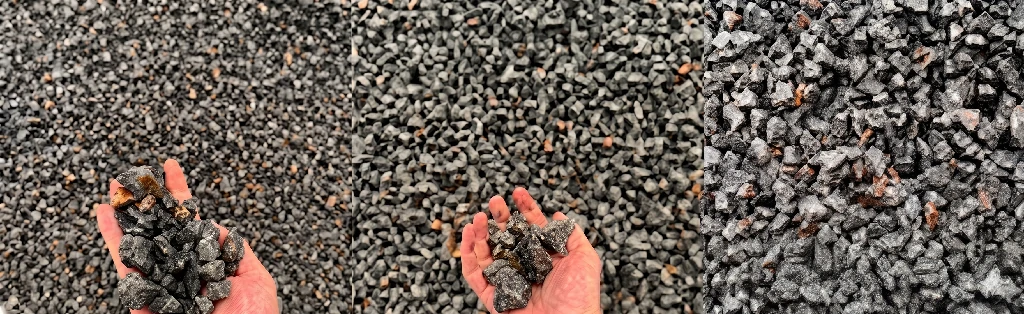
If your stones look like needles (flaky and elongated), you can’t sell them for top dollar. Period. Modern concrete and asphalt plants demand a cubical shape. A jaw crusher can’t give you that—it squeezes the rock. An impact crusher shatters the rock along its natural cleavage planes.
This "impact" philosophy is why DBM machines produce such high-quality material. We adjust the gap between the impact plates and the blow bars to the millimeter. This fine-tuning is the difference between a "pass" and a "fail" on a state-inspected project.
Three Things Most Operators Ignore (Until it’s Too Late)
-
The Impact Plate Clearance: Are you checking this every shift? If the gap is too wide, your "oversize" material will skyrocket.
-
Tramp Iron: Impactors hate steel. One piece of excavator tooth can destroy a rotor. If you don't have a magnetic separator before the vibrating feeder, you are playing with fire.
-
Liner Bolts: Check them. Tighten them. Vibration is a beast, and a loose liner will eventually fly off and wreck the interior.
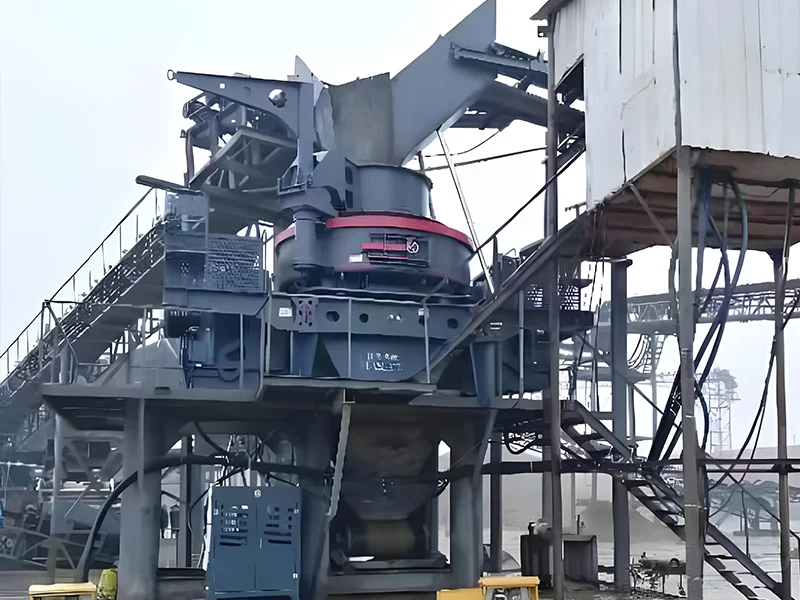
Bottom line? Your secondary crushing stage determines your final product quality. Don’t go cheap on the one machine that actually makes you the most profit per ton. Get a DBM PF series and do it right the first time.
Recommend Equipment
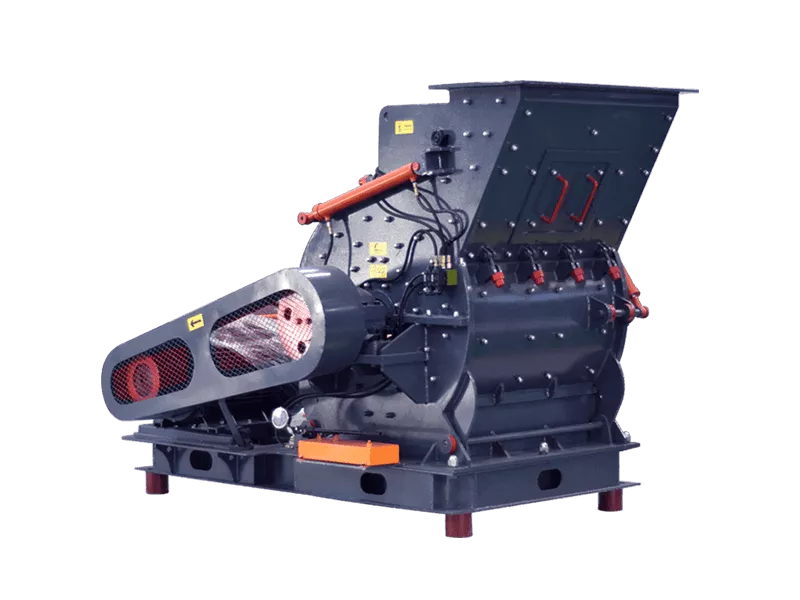
PC Coarse Powder Hammer Mill
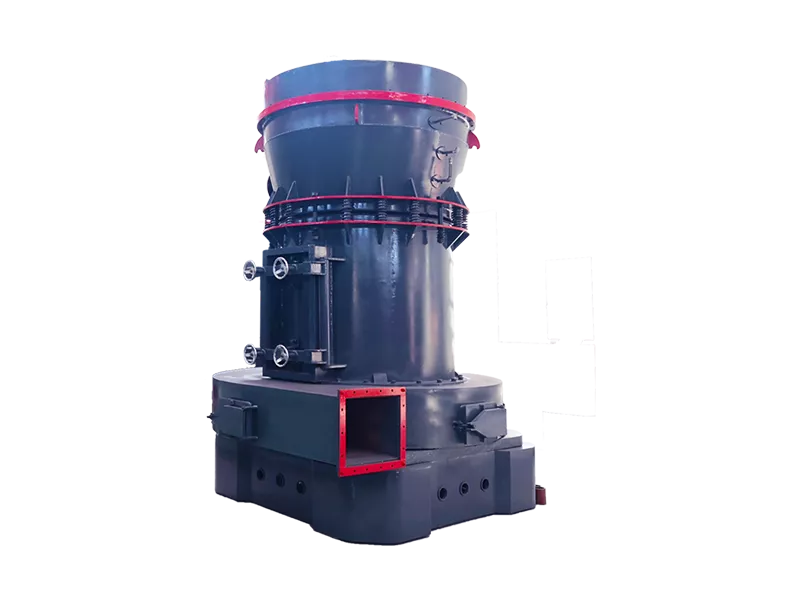
YGM High-pressure Suspension Mill
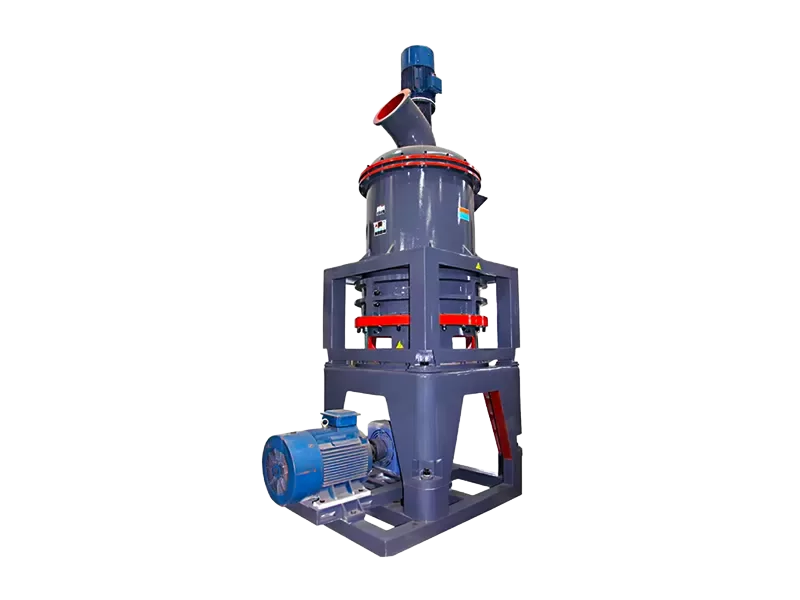
HGM Ultrafine Grinding Mill
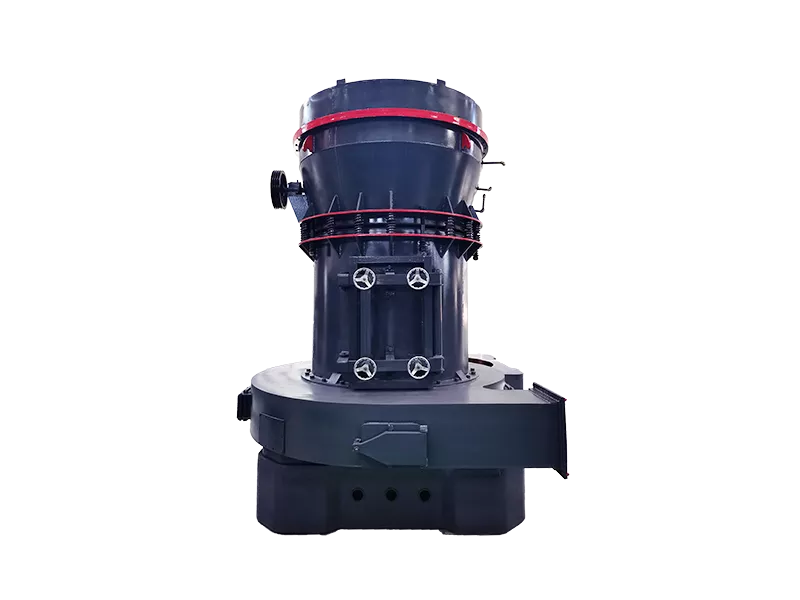
MTM Trapezium Grinding Mill
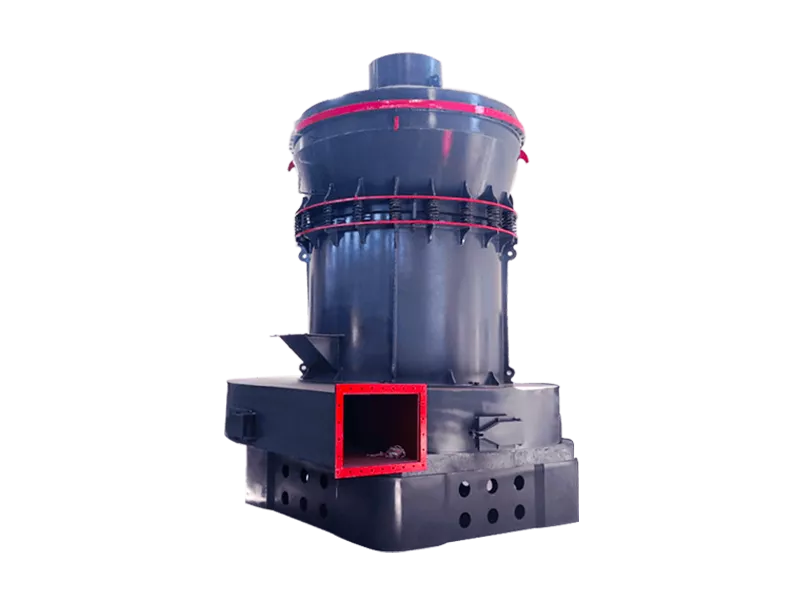
YGM Raymond Mill
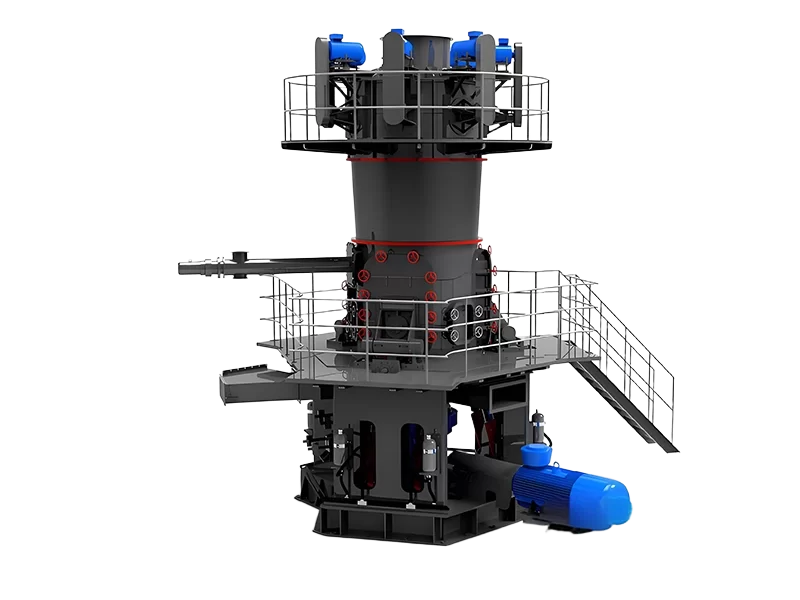
DBGM Vertical Roller Mill
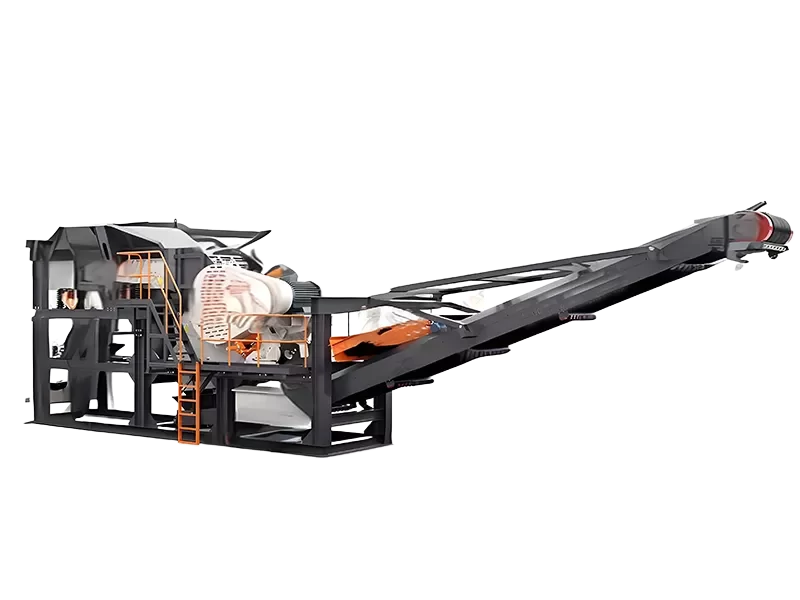
DBMQ Semi-mobile Crushing Station