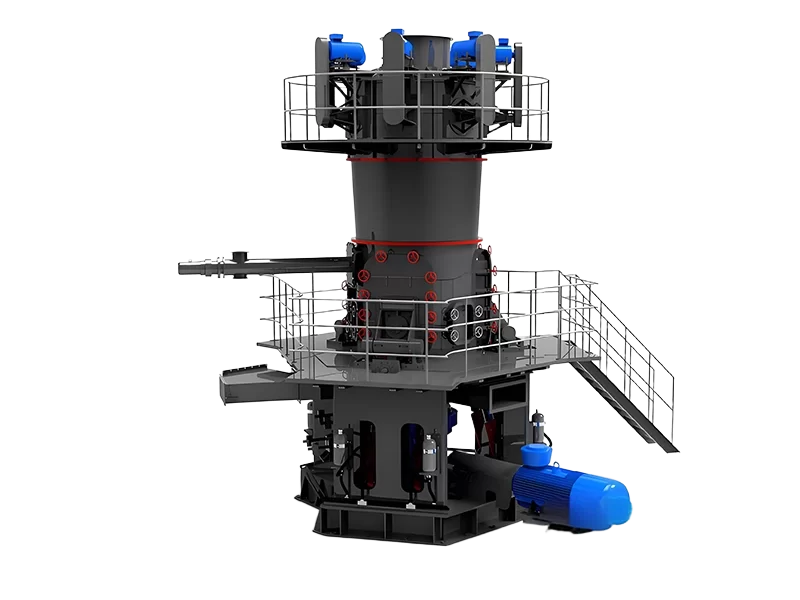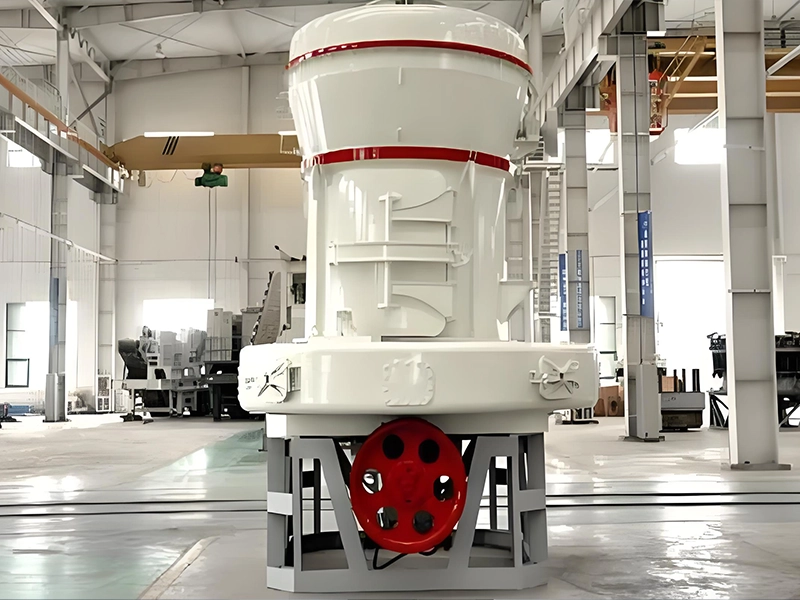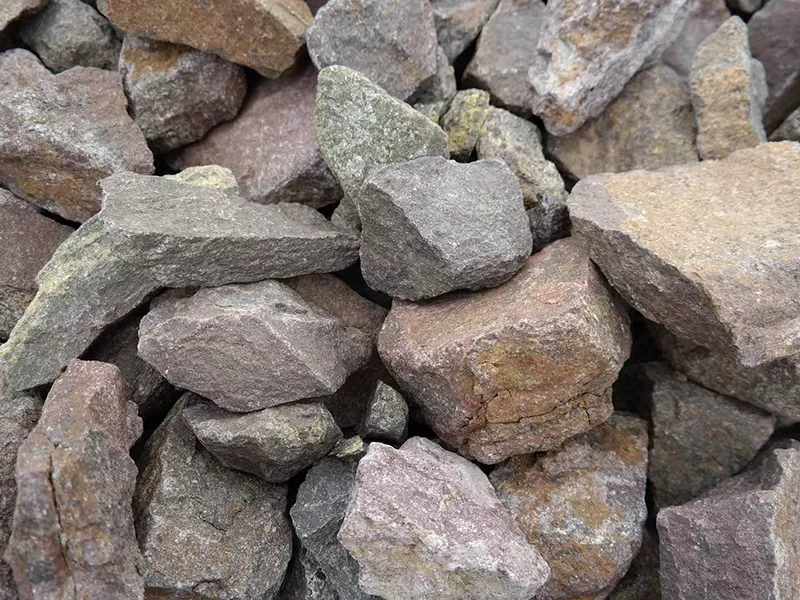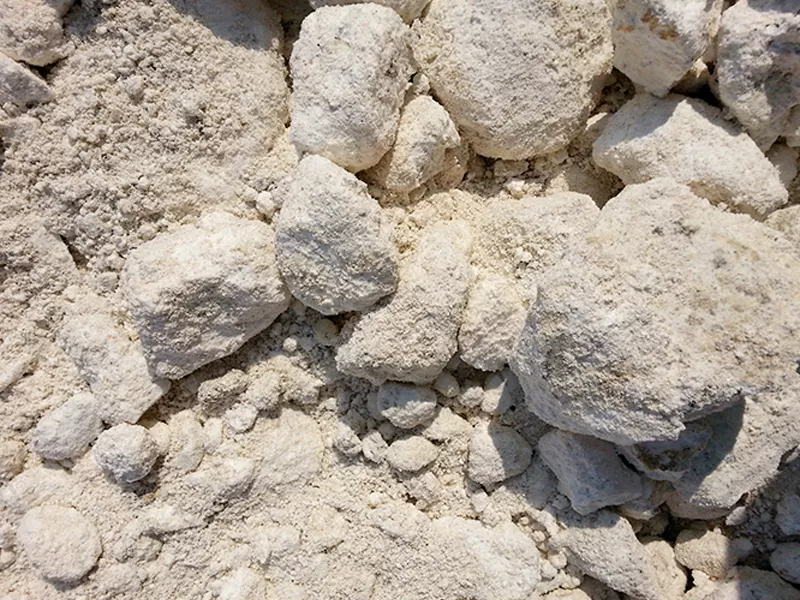
Grinding Mills

DBM consistently upholds the corporate mission of “ensuring quality, pursuing sustainable development,” and operates on the business principle of “customer foremost, mutual benefit, and shared success.”
Blog
What processes are required to configure a sand and gravel aggregate production line?

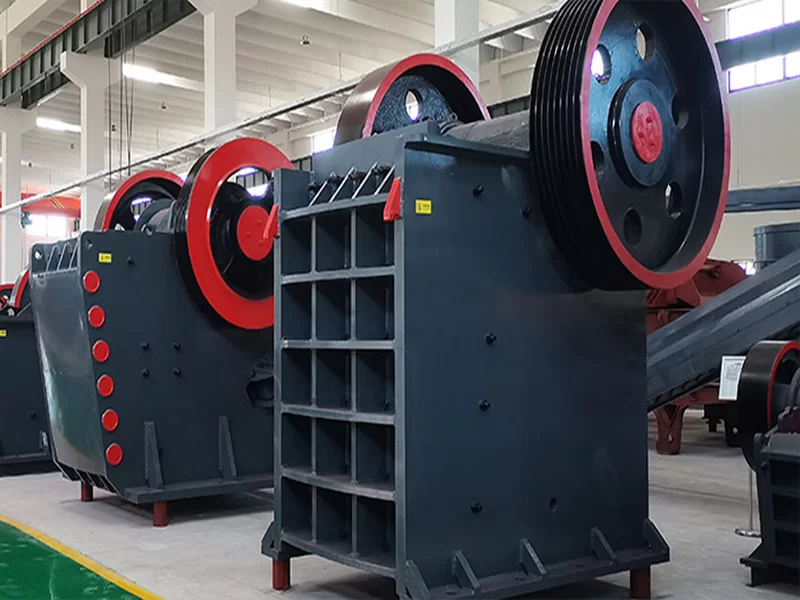
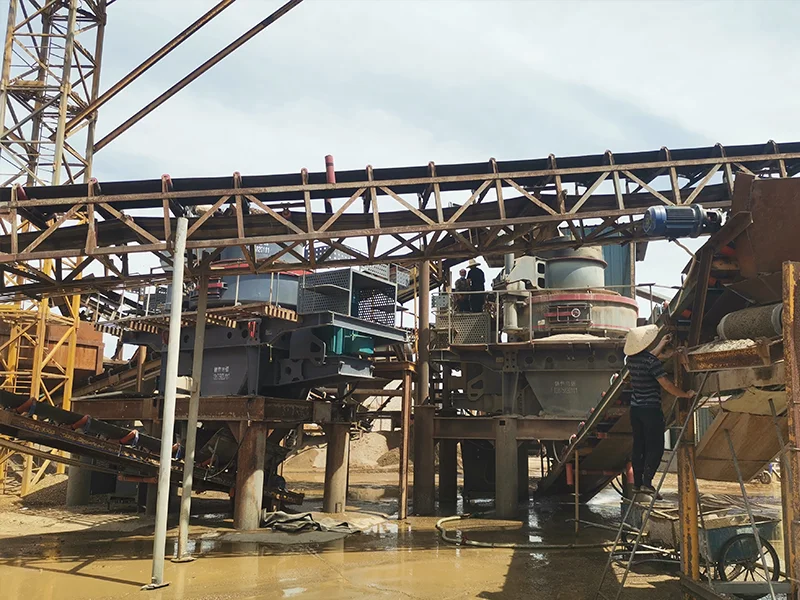
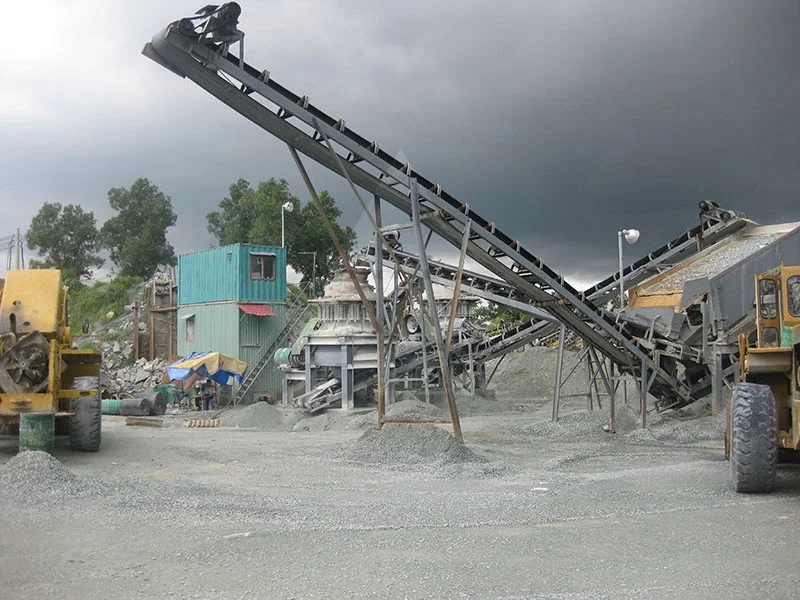
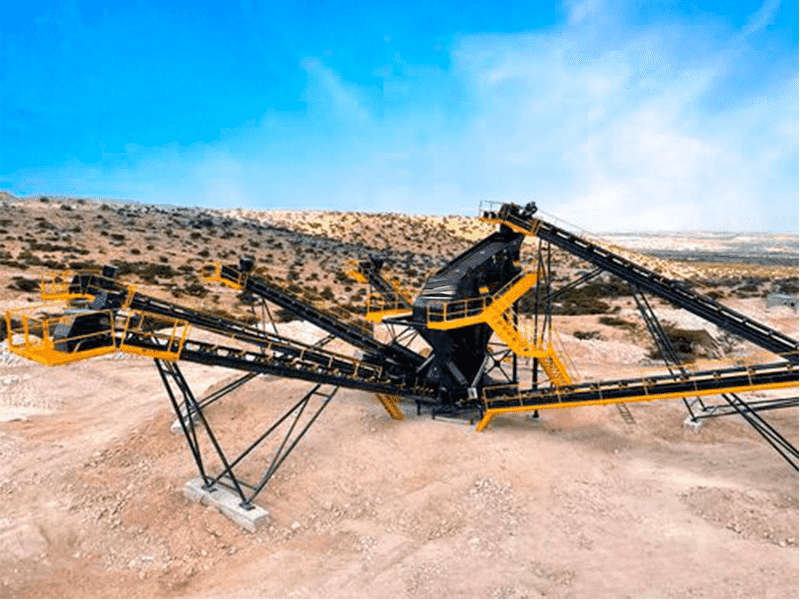
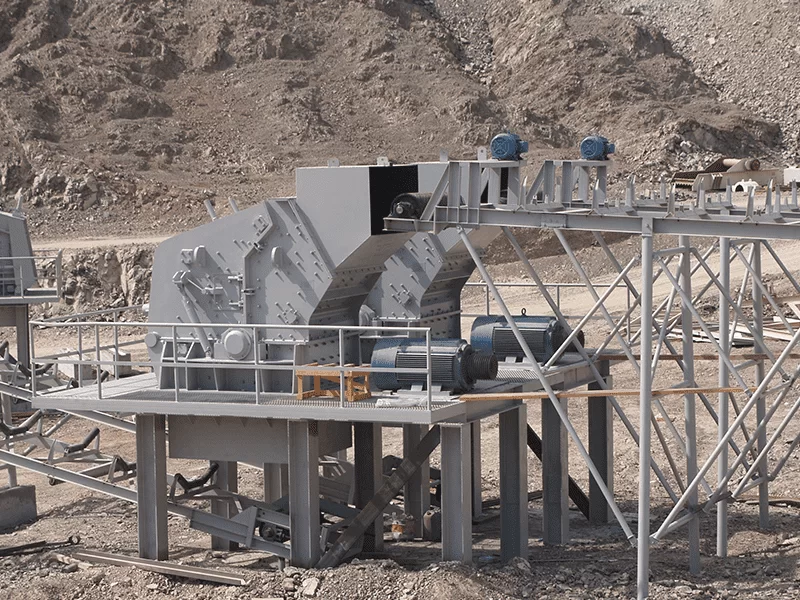
This article outlines the essential processes and equipment configuration for setting up a sand and gravel aggregate production line. It highlights the importance of each stage, from feeding and coarse crushing to medium crushing, shaping, and final screening. The article emphasizes the use of jaw crushers for coarse crushing, cone crushers for medium crushing, and vertical shaft impact crushers for shaping and sand making. It also mentions the role of pre-screening in optimizing the process and the flexibility offered by a well-designed system. The article concludes by offering customized equipment configuration plans tailored to specific production needs, whether for hard or soft rock crushing, and for mobile or fixed production setups.

Crushing and Screening Plants: Delivering 30 mm Feed

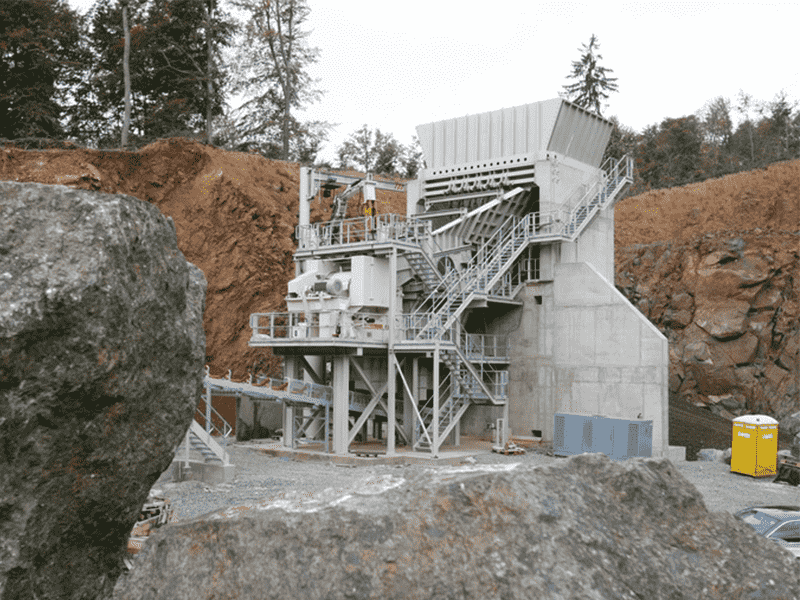
This article breaks down how to optimize crushing and screening plants to maximize quarry ROI. It focuses on achieving a 30mm precision feed to protect your [rock grinder machine], eliminating the 20% energy waste caused by recirculating loads, and managing moisture to prevent costly downtime. Stop treating your screens as an afterthought—they are the key to a 15% lower Opex.

Rock Grinder Machine: Stop Wasting Your Money in 2026

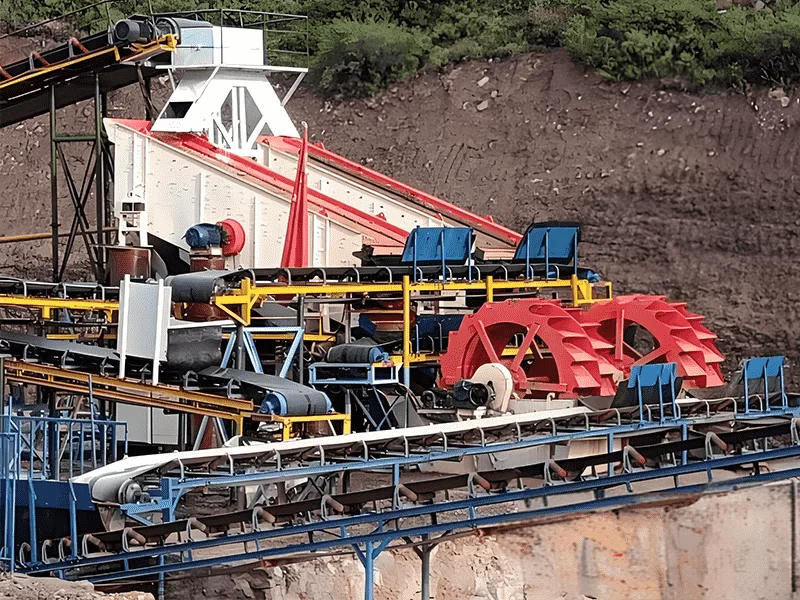
This article highlights how to maximize profitability with a rock grinder machine by prioritizing equipment durability over low initial costs. It contrasts the risks of using outdated or weak machinery with the advantages of heavy-duty quarry rock crushers and mobile crushing units for superior site efficiency. By focusing on dust control, metallurgy quality, and closed-loop screening systems, the text provides a practical guide for operators to eliminate downtime and ensure precise output for abrasive materials and concrete recycling in 2026.

Raymond Mill Airflow Adjustment: Key Requirements for Efficient Milling

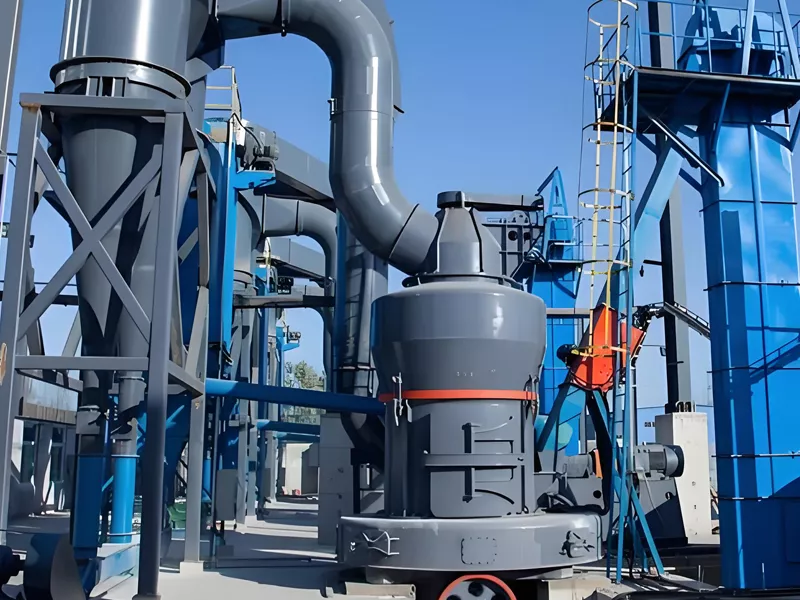
This article emphasizes the critical role of airflow adjustment in the operation of Raymond mills, a common type of milling equipment. It explains how both insufficient and excessive airflow can negatively impact the mill’s performance, leading to clogging or a decreased product qualification rate. The article provides guidelines for adjusting the fan’s airflow to achieve the desired product fineness and prevent powder accumulation. It also highlights the importance of proper airflow setting during the initial installation to meet specific production requirements and advises against arbitrary adjustments during operation. Furthermore, the article offers valuable tips for the installation and debugging process, including rust prevention, foundation laying, secure connections, foreign object removal, wiring verification, voltage checks, and preheating to detect potential issues. These insights are crucial for ensuring the smooth and efficient operation of Raymond mills.

What Is a Ball Mill? Types, Applications, and Working Principle Explained

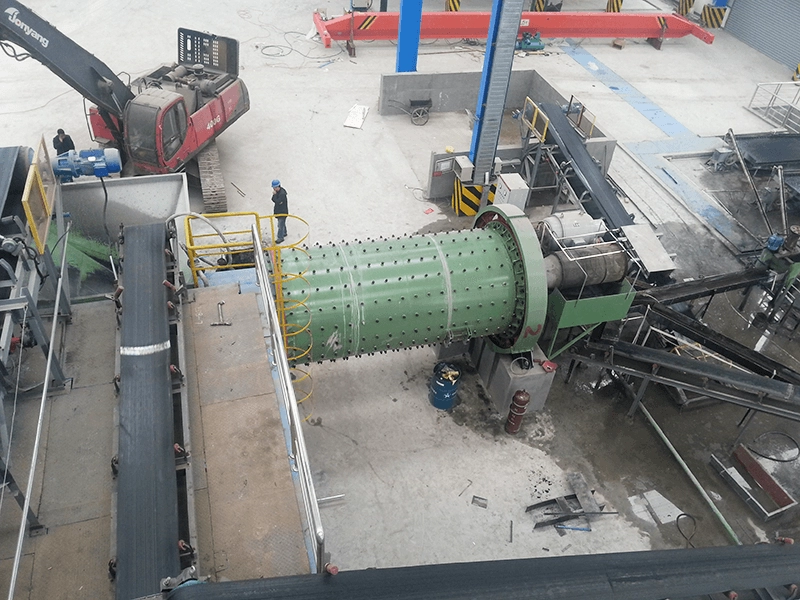
This article provides a comprehensive overview of the ball mill, a crucial grinding device with a century-long history. It details the ball mill’s widespread applications across various industries, including mineral processing, metallurgy, and pharmaceuticals, highlighting its versatility in handling diverse materials in both dry and wet grinding modes. The article then delves into the two primary types of ball mills used in mineral processing: the overflow ball mill, ideal for fine grinding and regrinding stages, and the grid ball mill, suited for primary grinding operations. It further explains the working principle of ball mills, emphasizing the impact of rotational speed on operating modes and grinding efficiency. This detailed guide offers valuable insights into the functionality and applications of ball mills, making it a valuable resource for understanding this essential piece of equipment.

Professional Services

Professional solution design

Free on-site survey to ensure that the solution design is more in line with customer needs and safer

Provide customized services

Strong R&D capabilities provide highly customized equipment for special project needs

Accessories support ensures production

With a complete accessories system, we provide you with reliable and fast accessories services

Technical guidance training

Professional staff will come to the site to train you until you can operate independently

Professional on-site installation

Professional installation, commissioning, and maintenance ensure equipment meets production needs.

Request a Quote

Need Any Help
Leave your contacts and our engineers will help you to find the solution you are looking for.