Cement Crushers: Solving The Sticky Limestone Bottleneck
2026年3月10日
500TPH Quarry Rock Crusher for Basalt Plants
2026年3月14日Cement Crushers: Solving The Sticky Limestone Bottleneck
2026年3月10日500TPH Quarry Rock Crusher for Basalt Plants
2026年3月14日Blog
Crushing and Screening Plants: Delivering 30 mm Feed
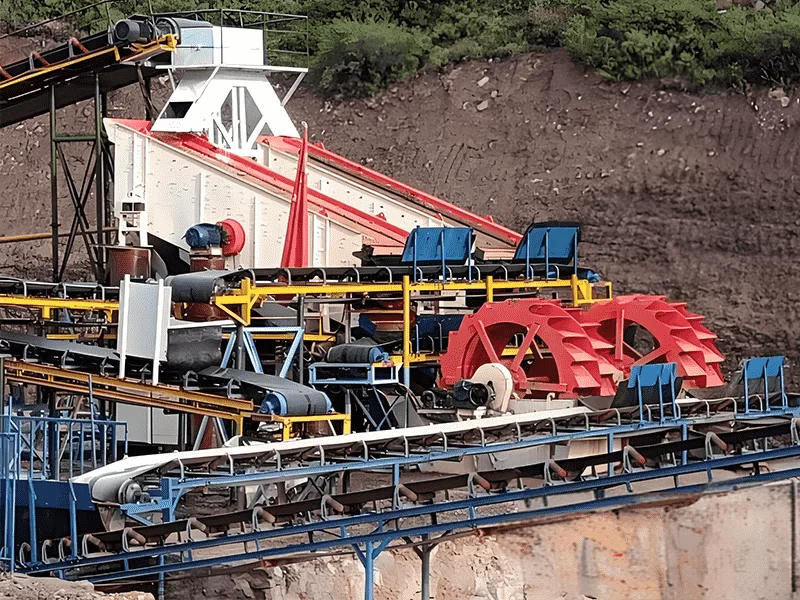
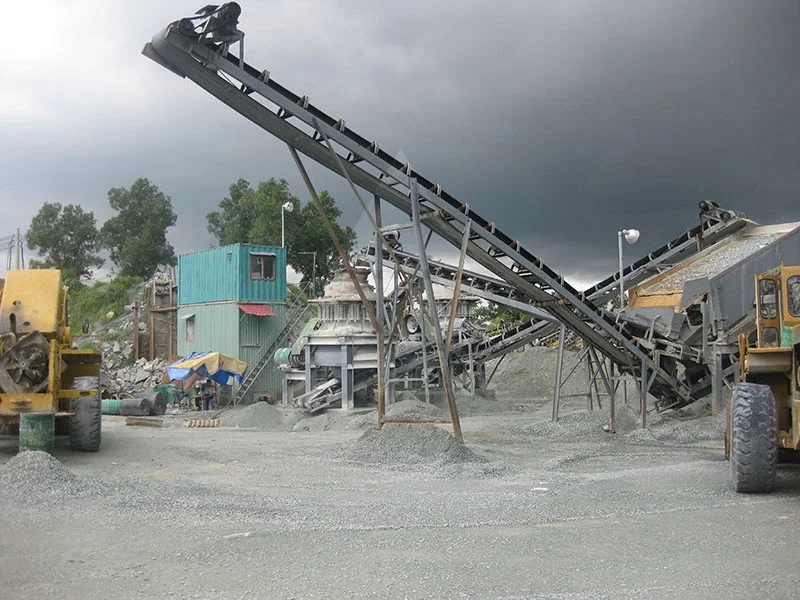
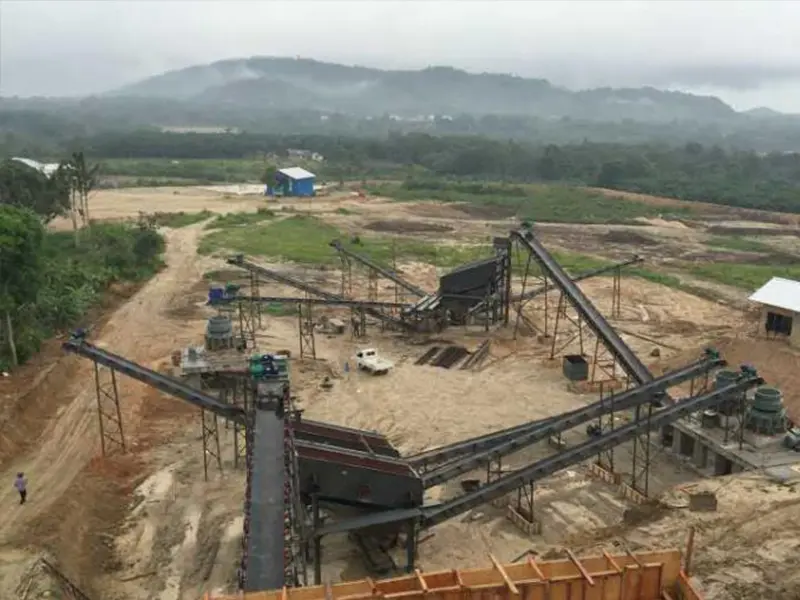
In the demanding world of heavy-duty mining, a crushing and screening plant is the foundation of your production line. At Shanghai Dingbo (DBM), we believe that crushing is only part of the process. The real goal is the precise control of the rock size. If your crushing and screening plants fail to deliver a steady 0-30 mm material size, your downstream [rock grinder machine] will suffer from high wear costs and mechanical stress.
The technical goal is simple: achieve a 95% "on-size" consistency. This ensures that the milling circuit runs at peak efficiency without wasting energy.
1. Why 30mm Precision Matters for Your Mill
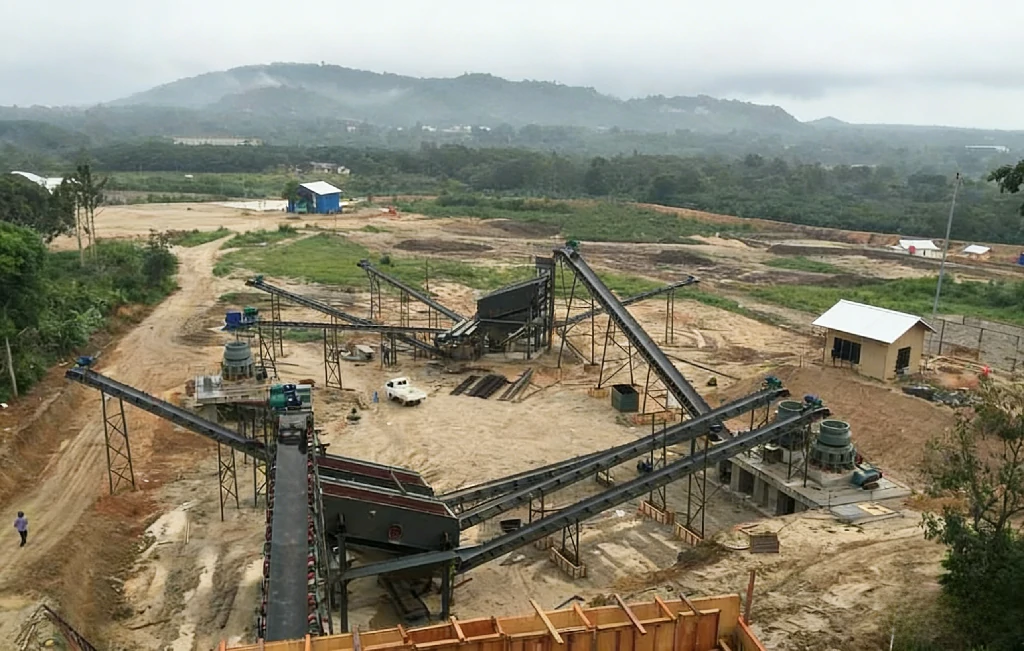
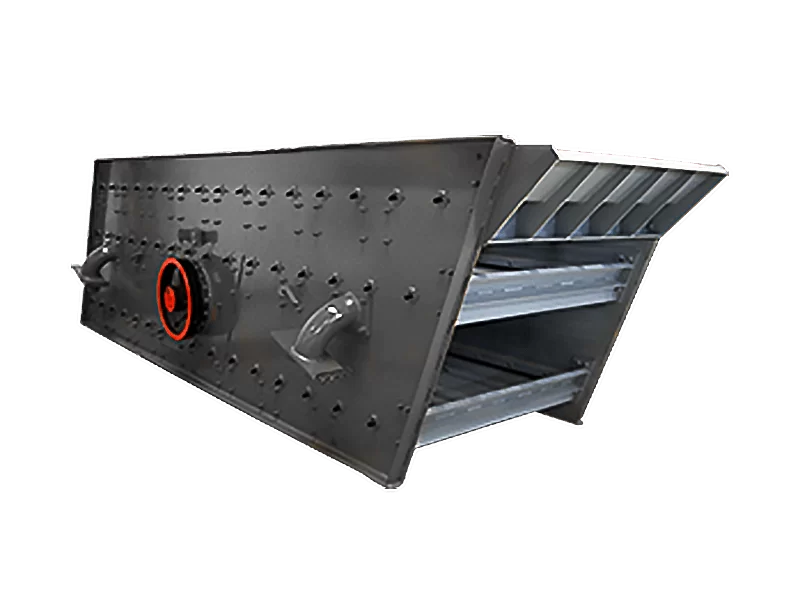
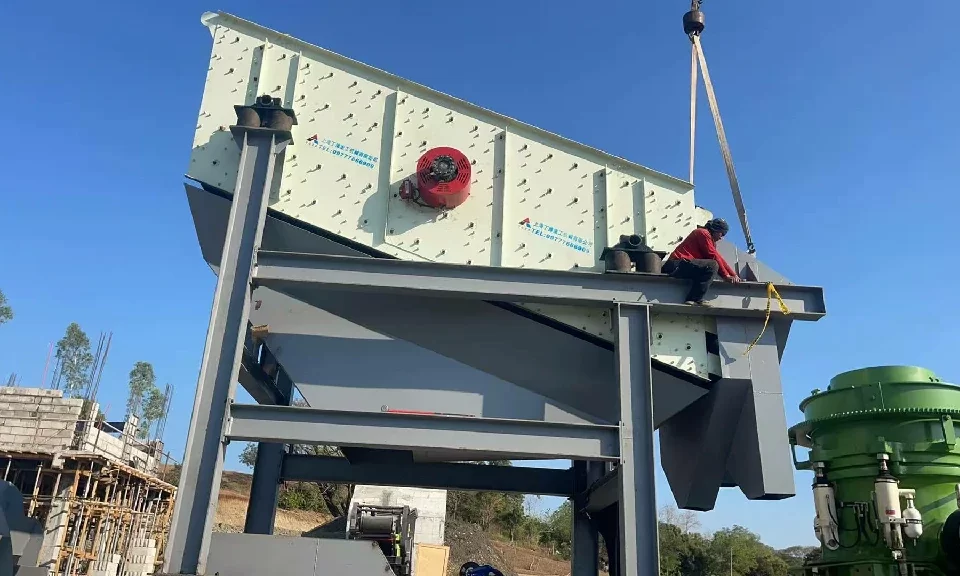
The mechanical balance in your crushing and screening plants depends on the vibration of the screen mesh. If the frequency is wrong, you get the "carpet effect"—where fine dust stays on top of big rocks and misses the screen holes entirely.
For a high-precision [rock grinder machine], this is a huge problem. Oversized rocks create heavy shocks that snap roller shafts and ruin bearings over time. By using a closed-circuit setup in your crushing and screening plants, you guarantee a uniform feed. This precision reduces machine vibration by 25% and extends the life of your most expensive grinding parts.
2. Stopping the 20% Recirculating Load "Tax"
A major bottleneck in many crushing and screening plants is the recirculating load. Statistically, up to 20% of the electricity in a quarry is wasted on reprocessing rocks that are already small enough but failed to pass through the screen.
This is like an "invisible tax" on your belts and liners. Modern crushing and screening plants use aggressive, steep angles to pull the "on-size" product out of the loop immediately. By fixing this flow, you make sure the [rock grinder machine] stays full of the right material. This prevents "starvation cycles" where the mill runs empty and wastes power.
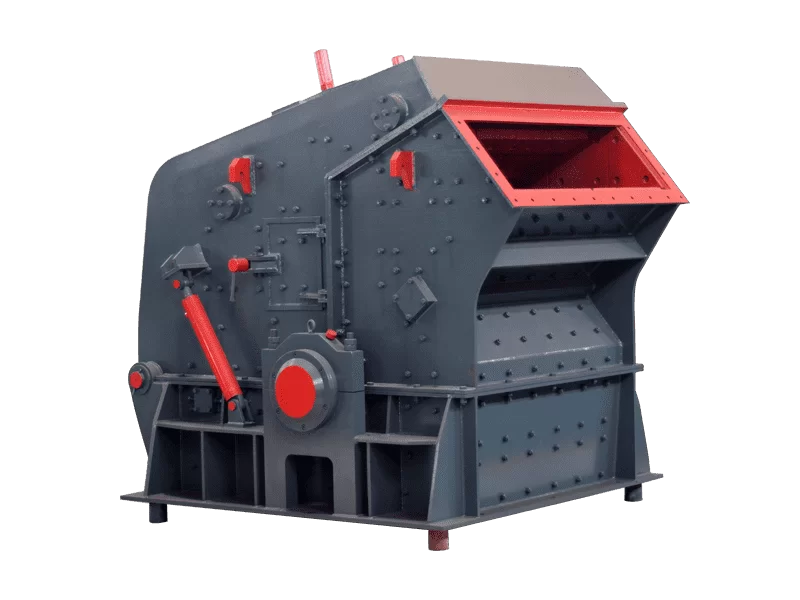
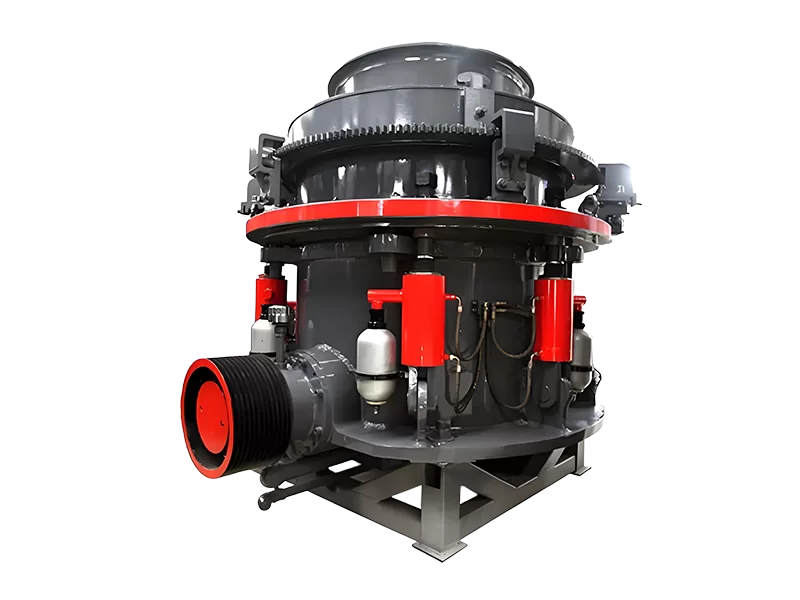
3. Modular 400TPH Plants vs. Old Foundations
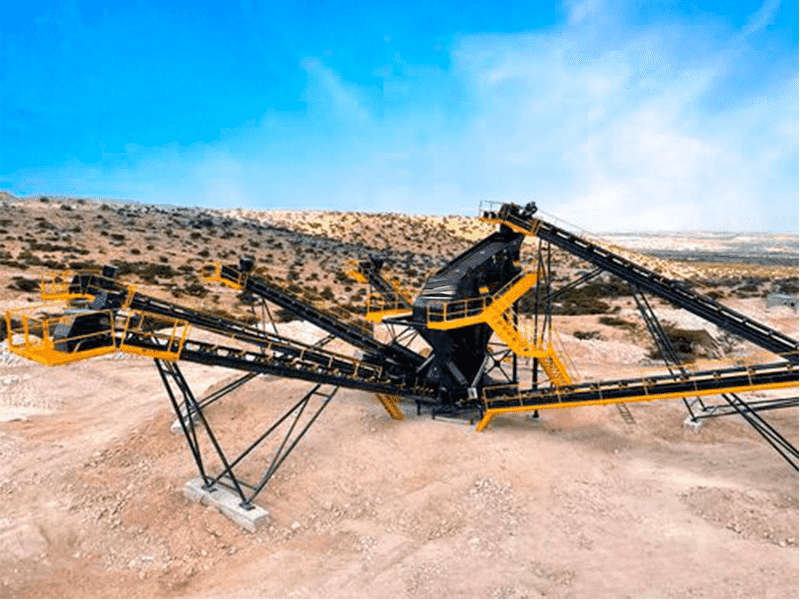
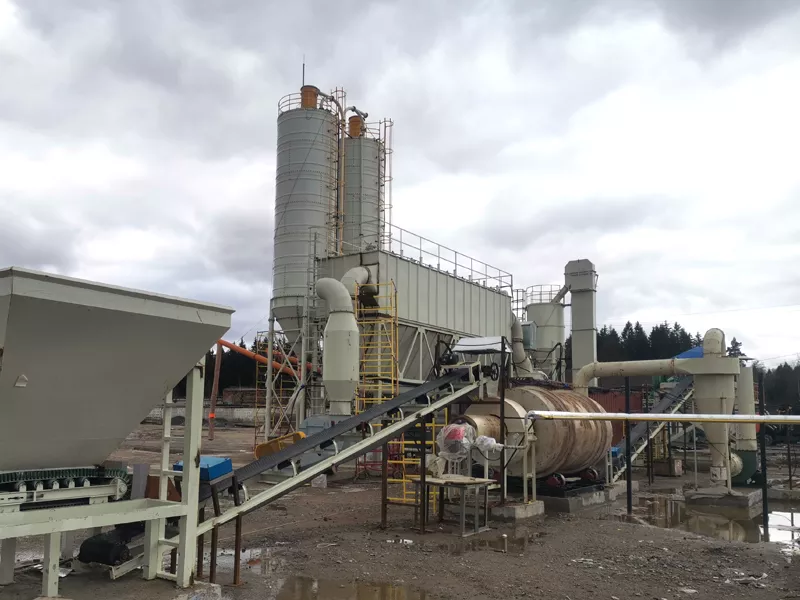
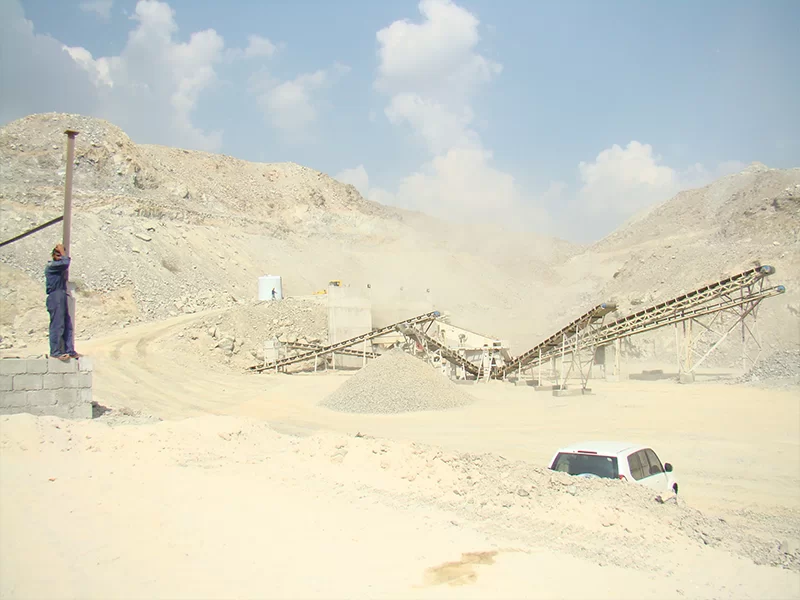
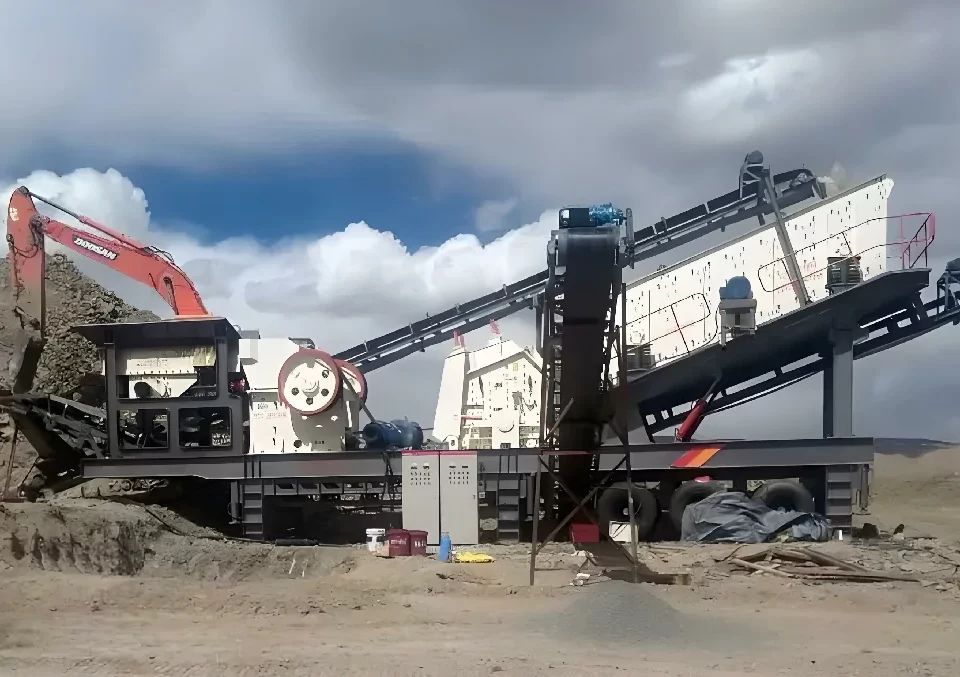
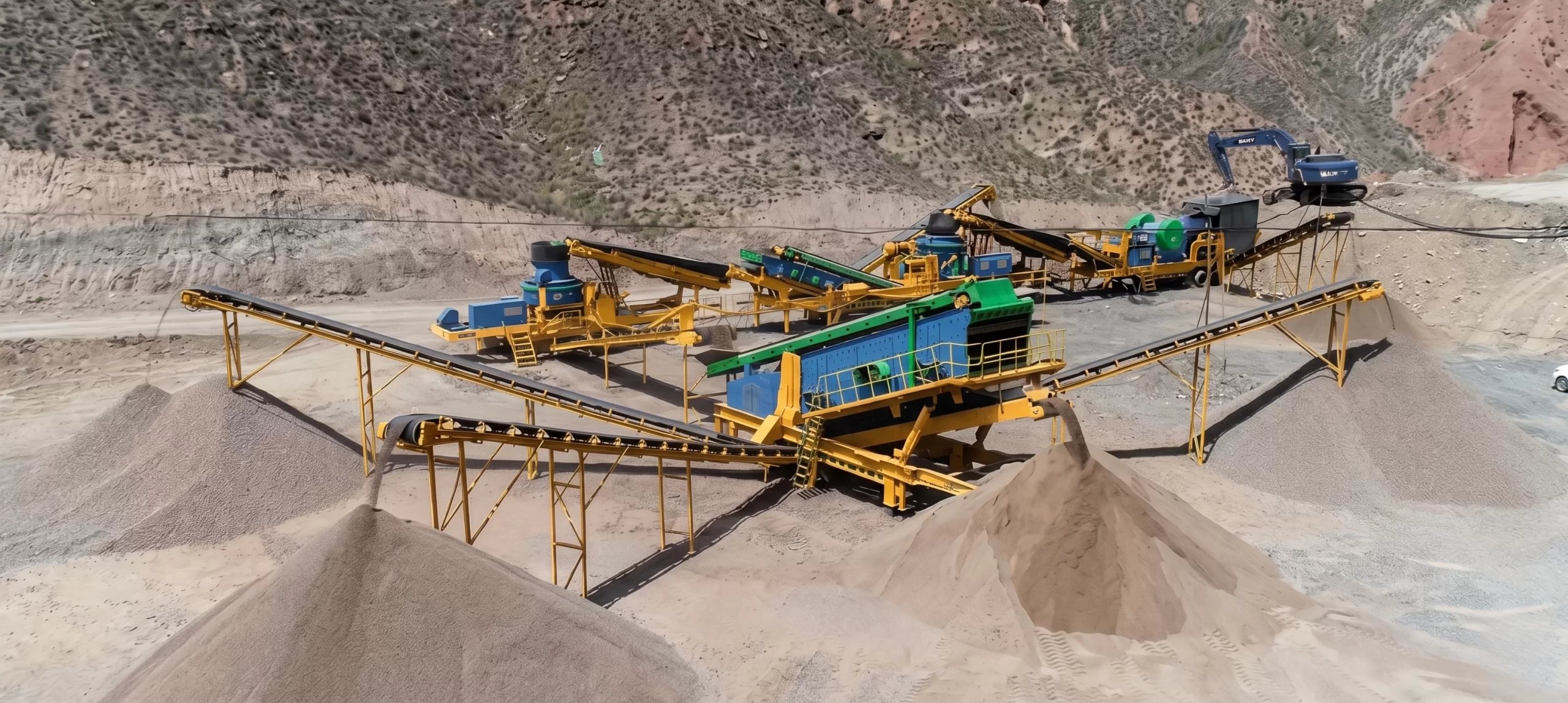
Why spend months pouring concrete for a stationary plant? Modern modular crushing and screening plants offer 400TPH (tons per hour) capacity with the flexibility to move. In a changing market, being able to relocate your plant in a few weeks is a massive advantage.
Smart operators often start with a modular crushing line. They only add a heavy-duty [rock grinder machine] after they secure a long-term contract for fine powders. This strategy ensures that your crushing and screening plants generate cash flow immediately without the risk of getting stuck with a permanent plant in a dry quarry.
4. Solving the 8% Moisture "Caking" Problem
Rainy seasons can stop a mining project in its tracks. When moisture hits 8%, a standard crushing and screening plant can get clogged with mud. This is a production nightmare.
If this mud gets past the screen, it turns into a thick paste that can seize a rock grinder machine in under 45 minutes. To stop this, advanced crushing and screening plants use heated screen decks or high-frequency water sprays. These steps protect the mill’s internal parts, ensuring your production stays profitable even in wet weather.
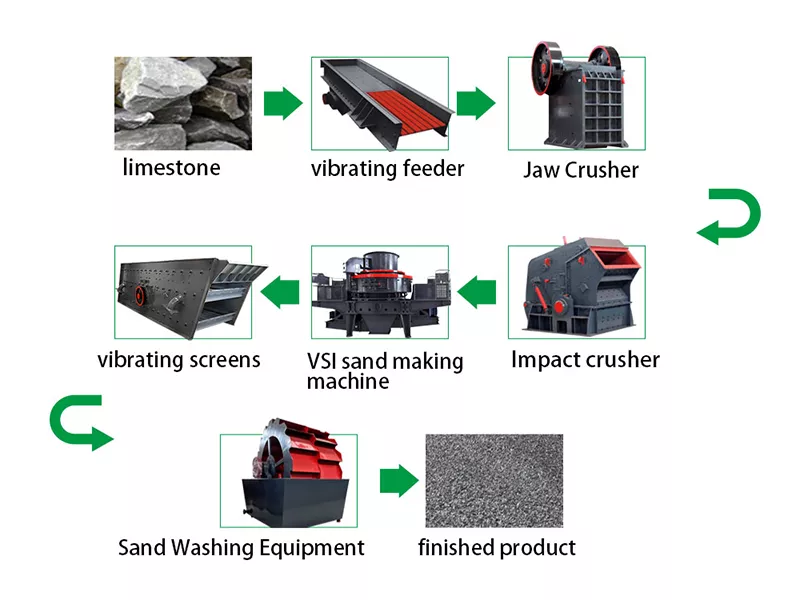
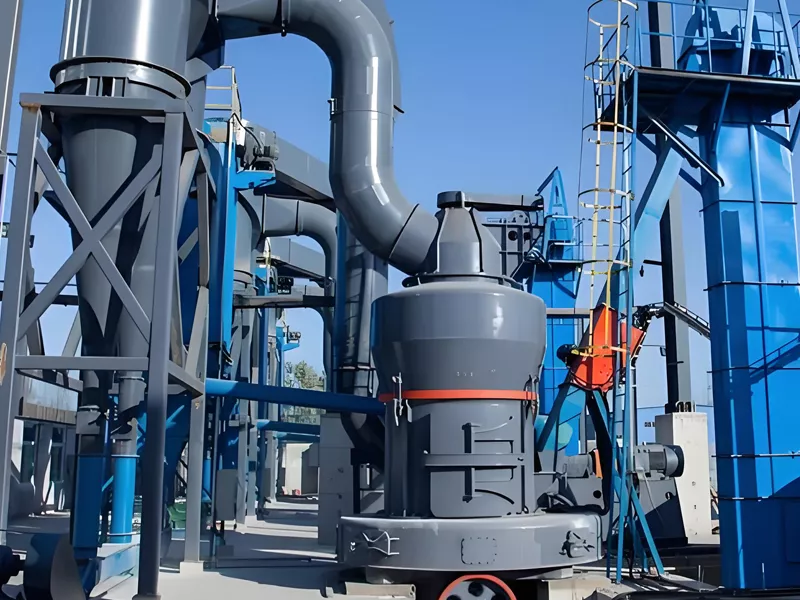
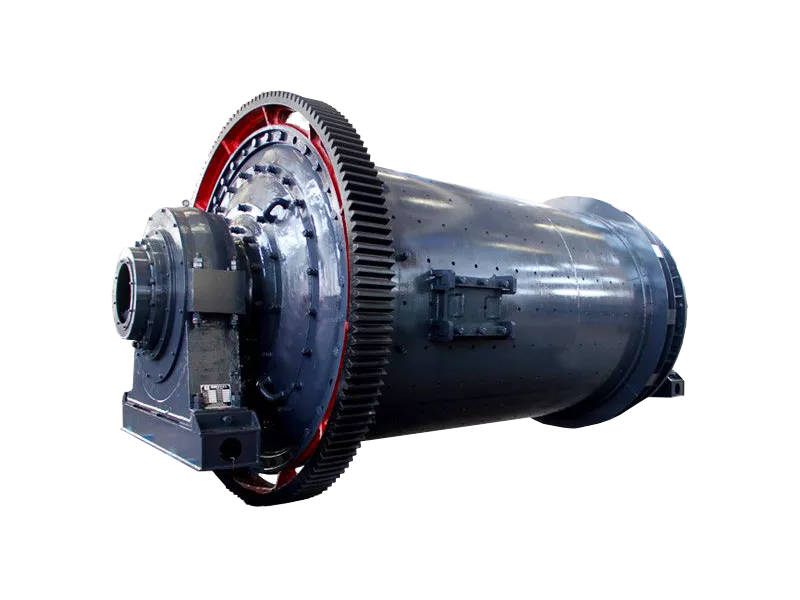
Engineering Note: To see how our modular crushing and screening plants integrate directly with a high-capacity [rock grinder machine], view our . Achieving the right balance between the shaker and the mill is the only way to ensure a sub-15% OPEX.
Energy Saving Ball Mill
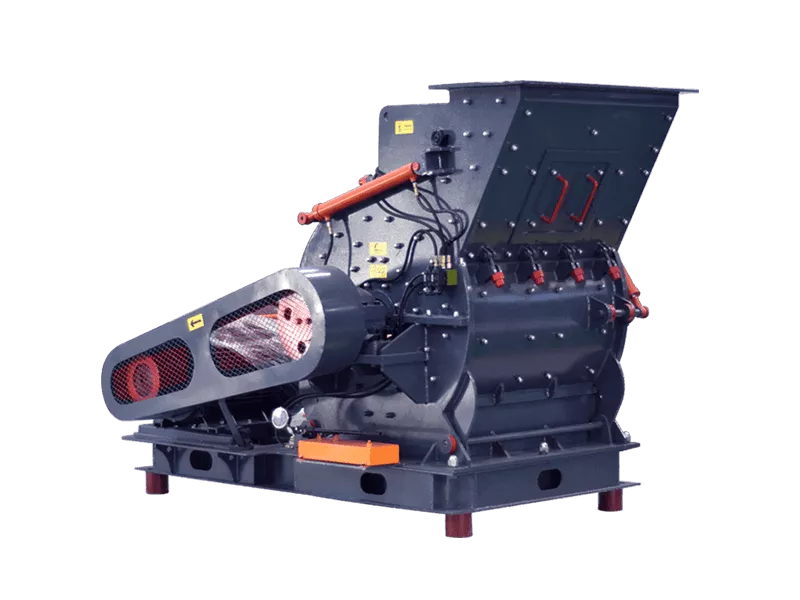
PC Coarse Powder Hammer Mill
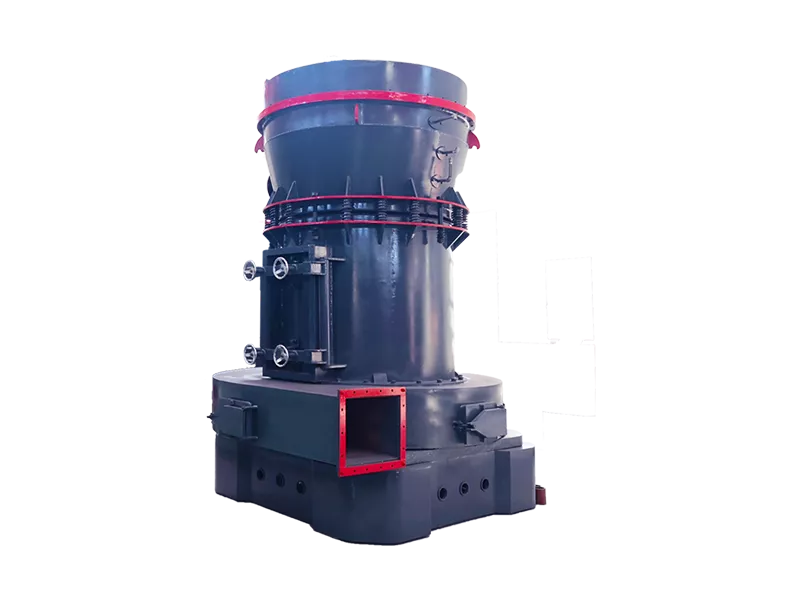
YGM High-pressure Suspension Mill
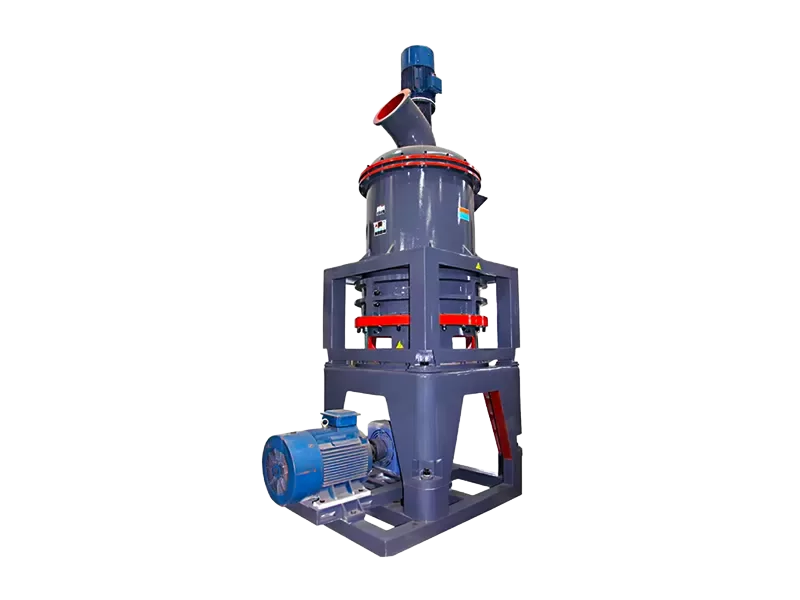
HGM Ultrafine Grinding Mill
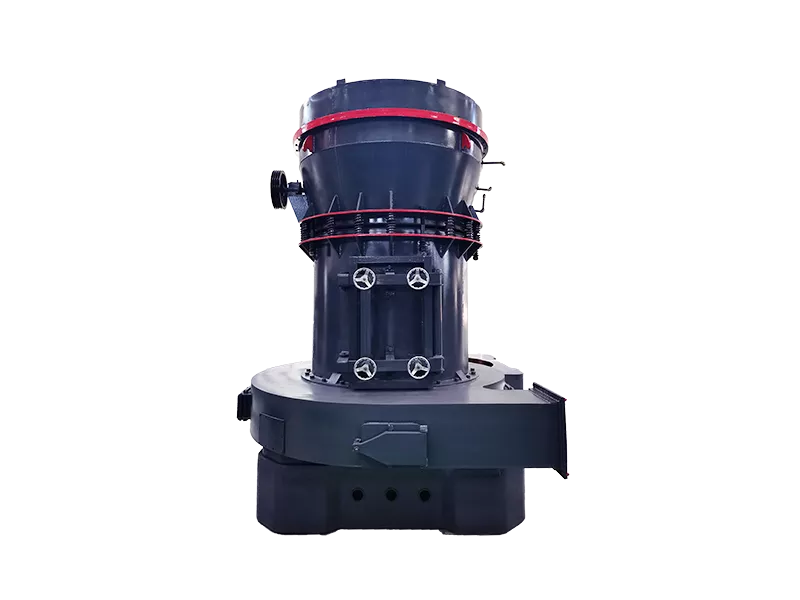
MTM Trapezium Grinding Mill
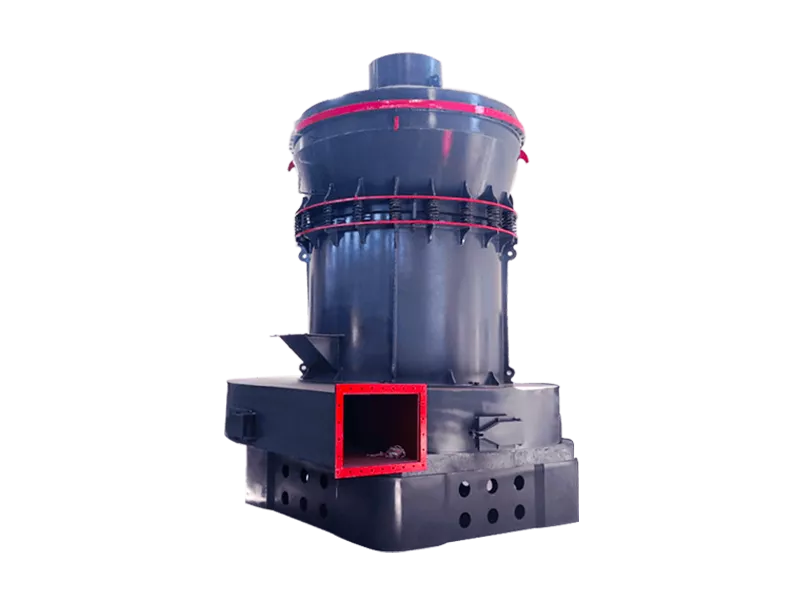
YGM Raymond Mill
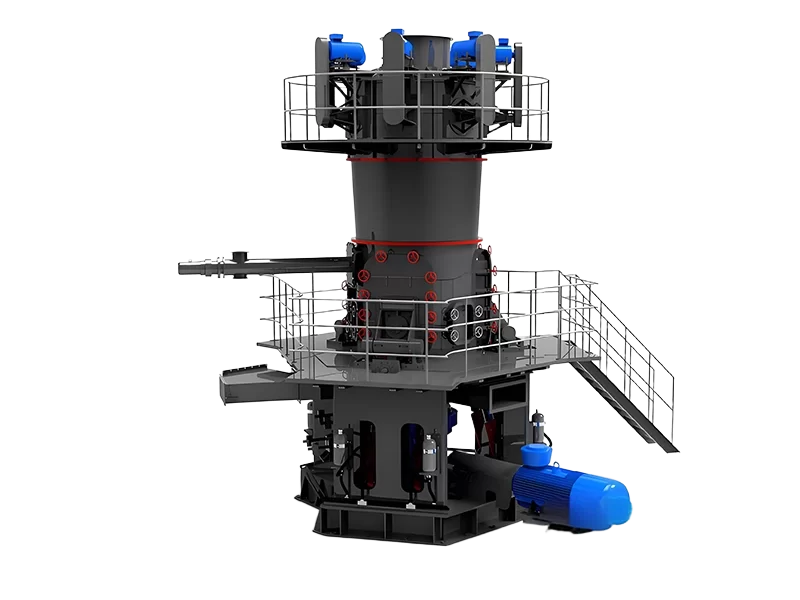
DBGM Vertical Roller Mill
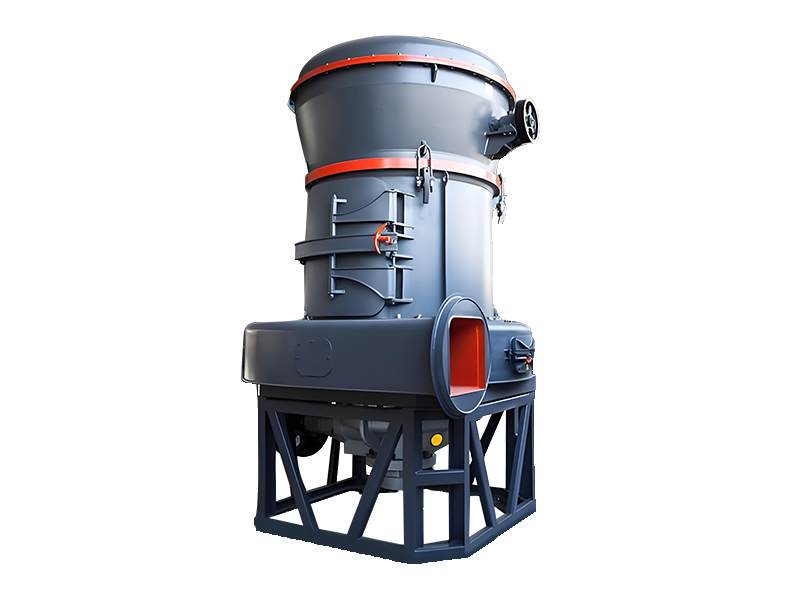
MDW European Type Grinding Mill
Company Case
Request a Quote