
5 Key Parameters for Aglime Crushing Equipment
2026年3月7日
Crushing and Screening Plants: Delivering 30 mm Feed
2026年3月12日5 Key Parameters for Aglime Crushing Equipment
2026年3月7日Crushing and Screening Plants: Delivering 30 mm Feed
2026年3月12日Blog
Cement Crushers: Solving The Sticky Limestone Bottleneck
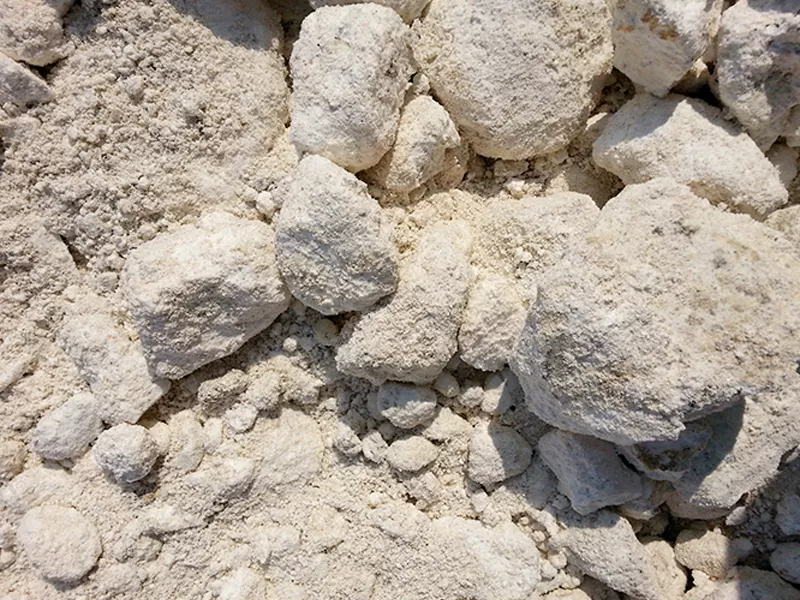
Limestone is the backbone of global cement production. But let's be honest: not all limestone is created equal. Depending on the geological age of your quarry, the raw material can shift from rock-hard crystalline structures to soft, moisture-heavy deposits in a single blast. For plant managers, the real headache is selecting cement crushers that can handle these sudden inconsistencies without paralyzing the entire kiln system.
When your primary reduction stage chokes, the energy consumption of your downstream mills will skyrocket. Investing in robust crushing technology is no longer just an "option." It is a fundamental survival requirement for maintaining a competitive cost-per-ton in today's brutal market.
1. Dealing with High-Silica and Abrasive Rock
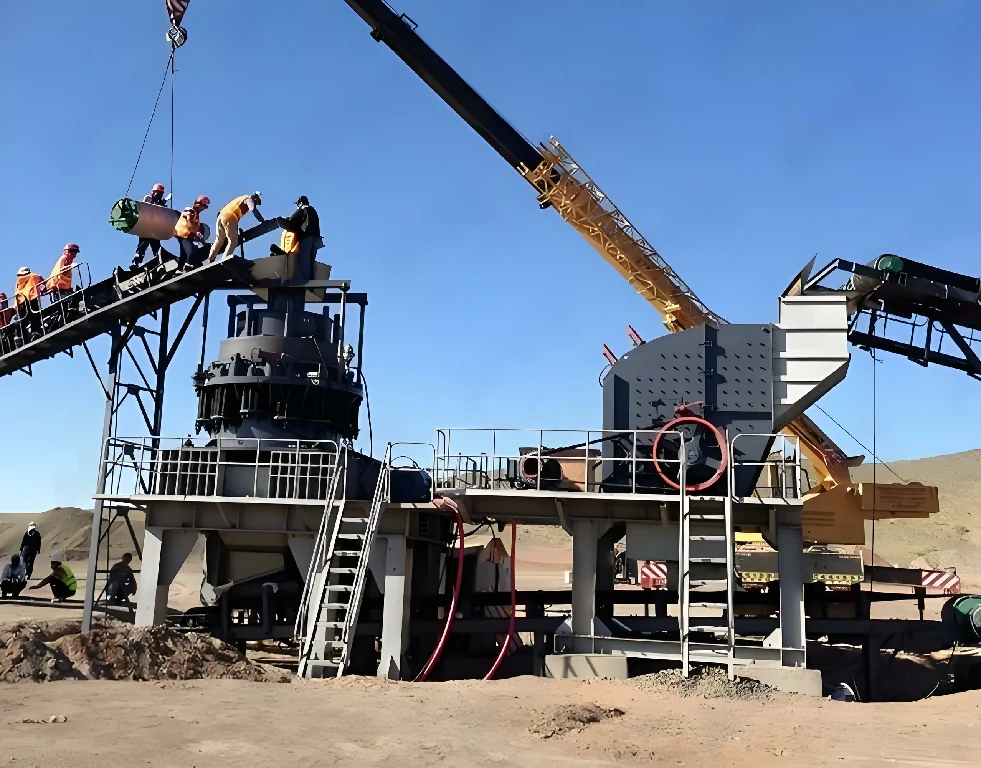
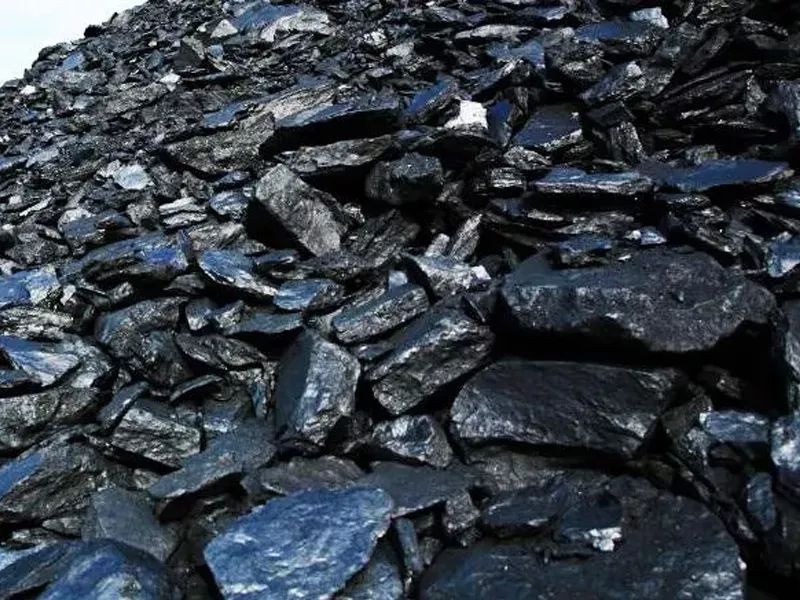
In many regions, limestone deposits are heavily contaminated with silica. This makes the stone incredibly abrasive—literally eating through standard metal. Standard cement crushers often suffer from rapid wear on the jaw plates and toggle seats when facing such materials. This leads to those unplanned maintenance stops that absolutely destroy your weekly production targets.
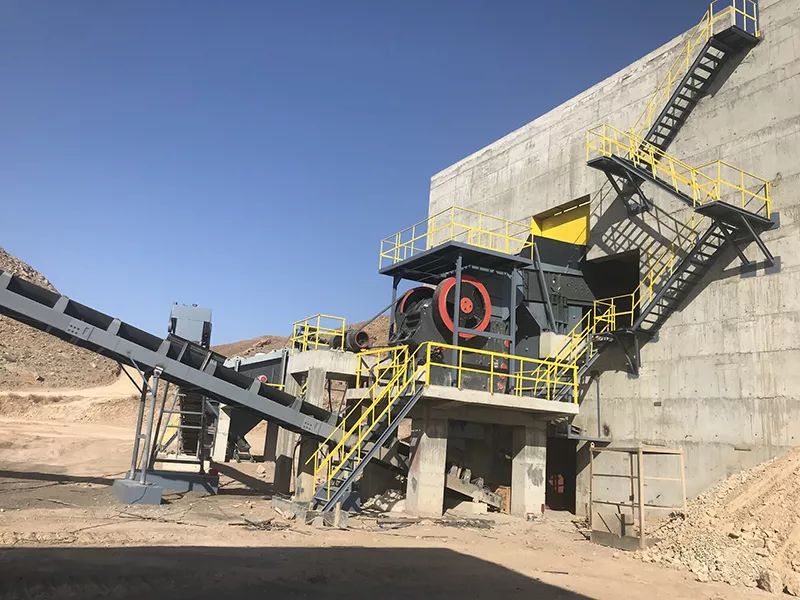
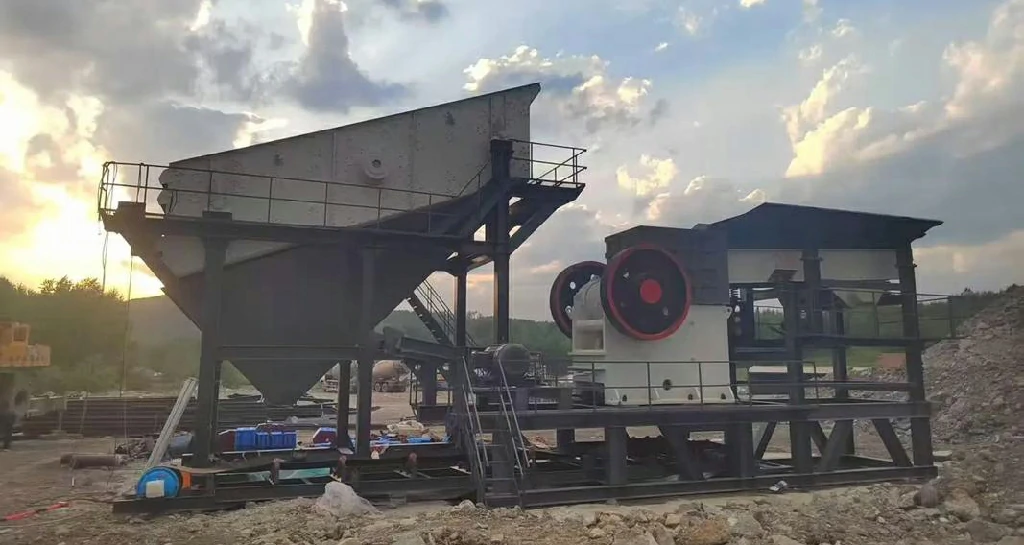
Our heavy-duty jaw-style cement crushers are engineered with high-manganese casting. This specific alloy actually "work-hardens" under impact. Essentially, the machine gets tougher as it processes more rock. By stabilizing the primary crushing chamber, you protect the eccentric shaft. You ensure a predictable maintenance lifecycle instead of constant emergency repairs.
2. The Nightmare of Sticky, Wet Feed
Rainy seasons can turn a productive quarry into a total logistical nightmare. When wet clay mixes with limestone, it creates a "plastic" mud that clogs the chamber of traditional cement crushers. Once a machine is plugged, your whole production line sits idle while crews manually dig out the muck. It is a massive drain on labor and a serious safety risk.
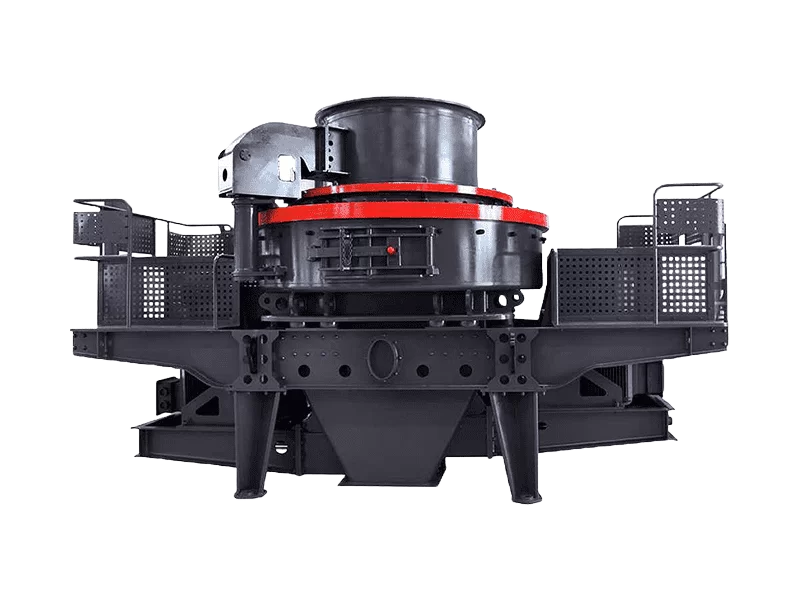
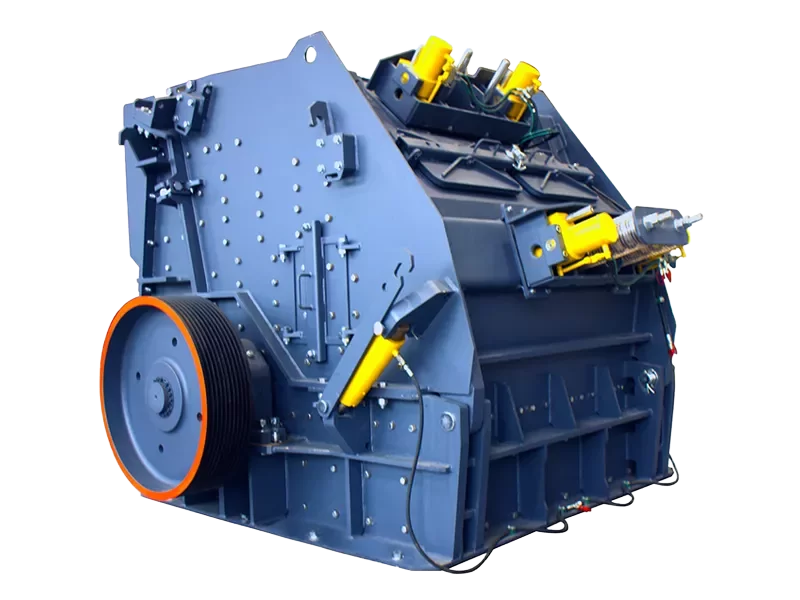
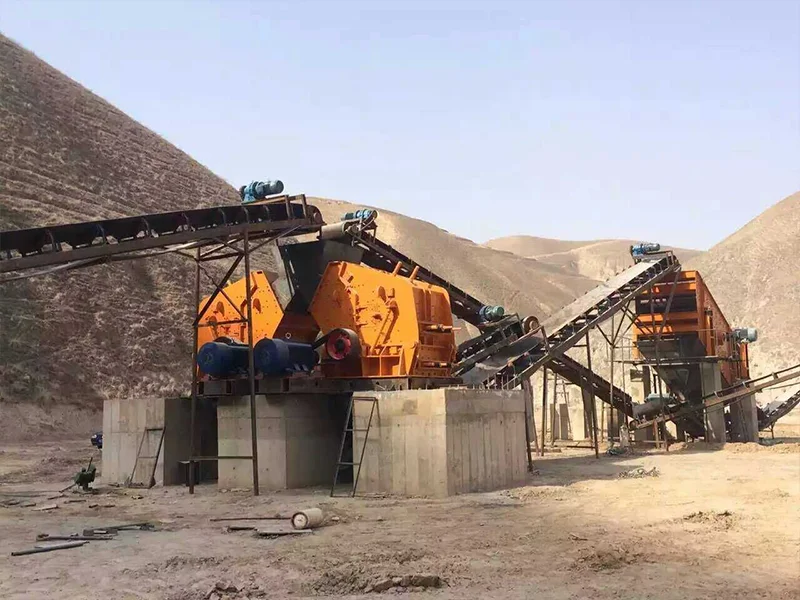
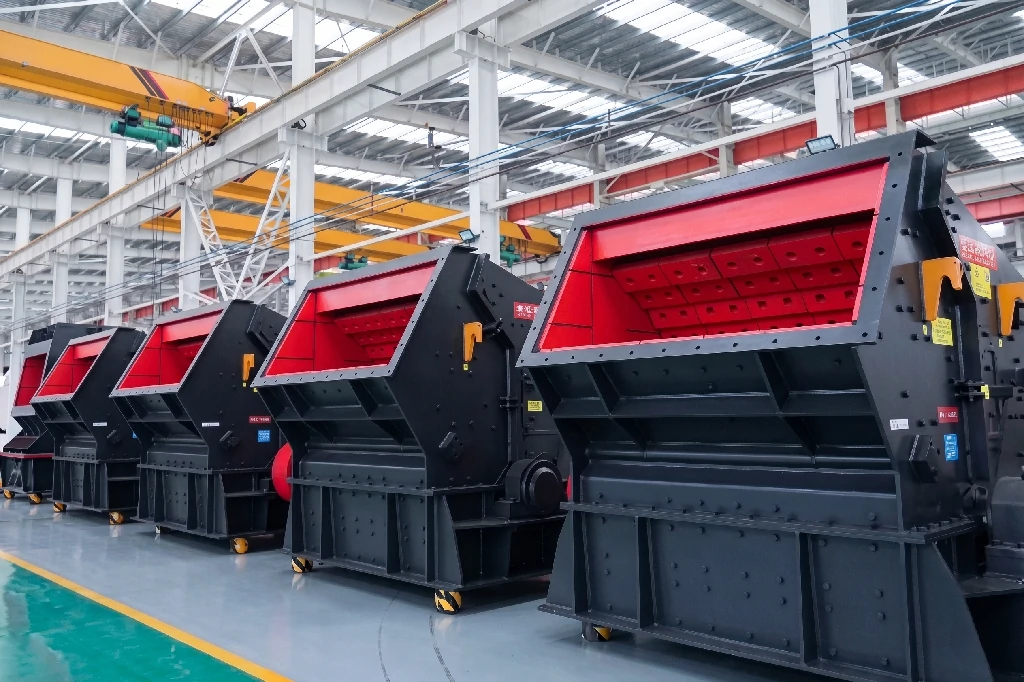
To bypass this mess, we utilize advanced hammer-style cement crushers featuring high-velocity rotor dynamics. Instead of trying to squeeze the material, these machines use pure kinetic impact to shatter the rock before it has a chance to stick. The open-discharge design allows even the most difficult, moisture-laden feed to pass through without building up on the internal liner plates.
3. Feeding the Raw Mill: Precision Matters
The secret to a low-energy cement plant is consistent feed size. Period. If your primary cement crushers produce oversized "overs," your vertical roller mill has to work significantly harder. This creates a massive spike in electricity costs and reduces the lifespan of your expensive grinding media.
Professional cement crushers must offer easy adjustment of the closed-side setting (CSS). This allows your operators to calibrate the output to meet the exact requirements of the raw grinding circuit. By providing a uniform 0-40mm feed, you reduce the circulating load in the mill. This also increases the chemical reactivity of the raw meal during the burning process.
4. Operational Safety and Hydraulic Relief
Catastrophic failure is the ultimate fear in any cement plant. If a piece of uncrushable "tramp iron"—like a broken excavator tooth—enters the chamber, it can snap the frame of inferior cement crushers. This results in weeks of downtime and thousands of dollars in lost revenue.
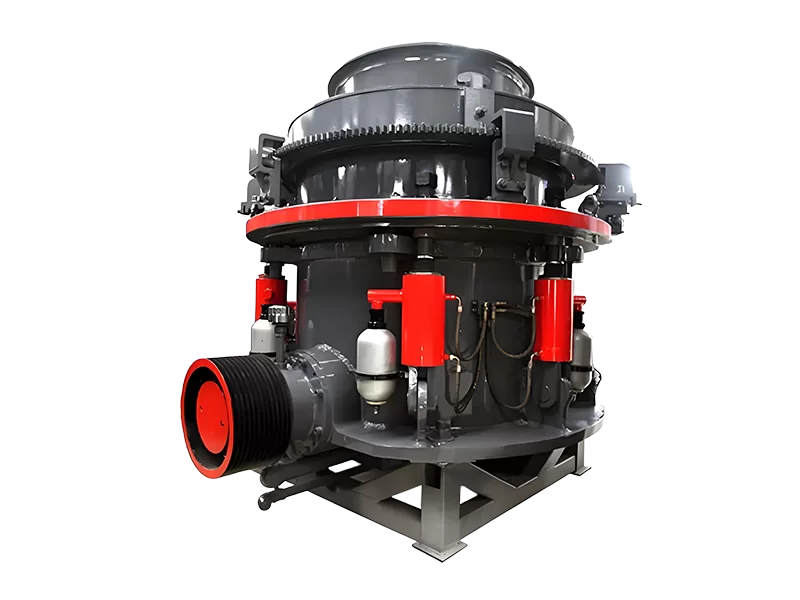
Modern engineering has solved this through hydraulic relief systems. Our cement crushers detect extreme pressure spikes and automatically open the discharge setting to let the foreign object pass. This proactive protection saves the machine's structural integrity. When you combine this with real-time sensors on the main bearings, you gain a level of transparency that prevents minor issues from becoming total disasters.
5. Integrating Mobility for Quarry Efficiency
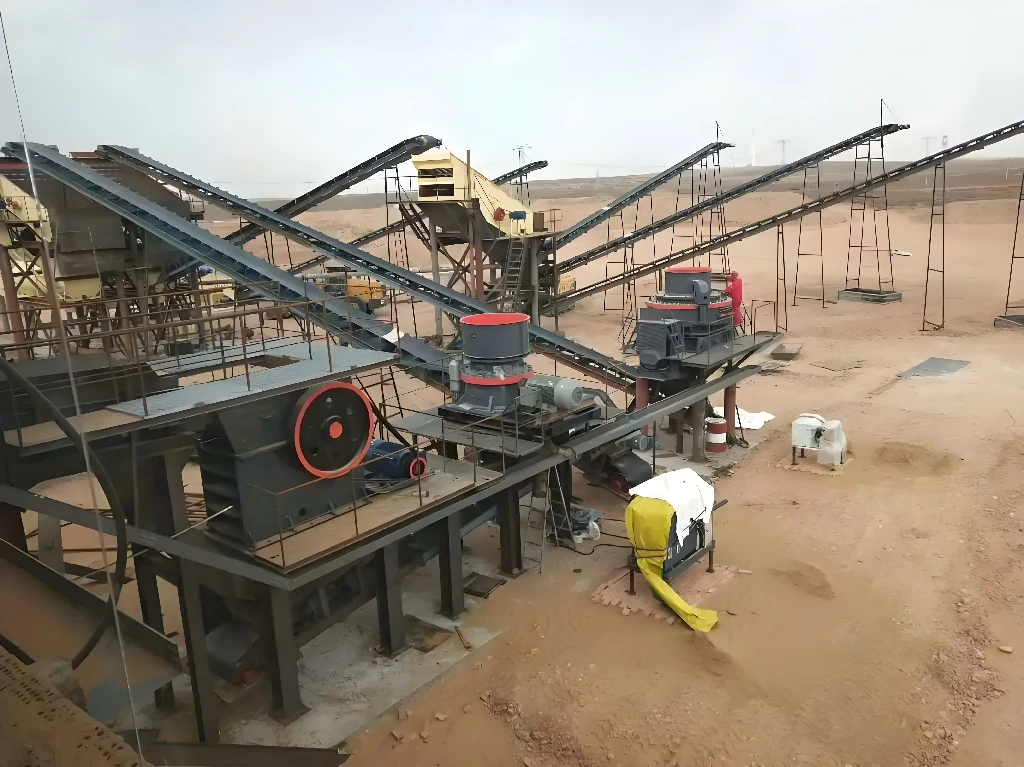
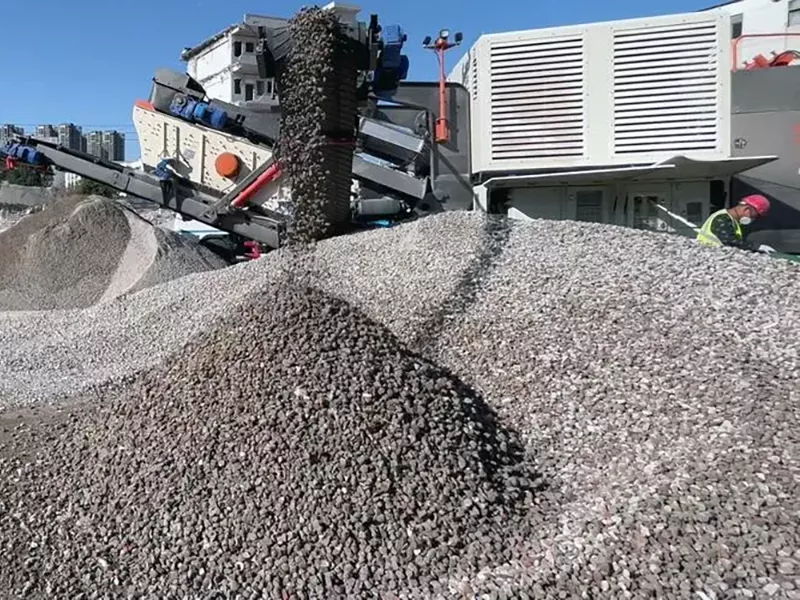
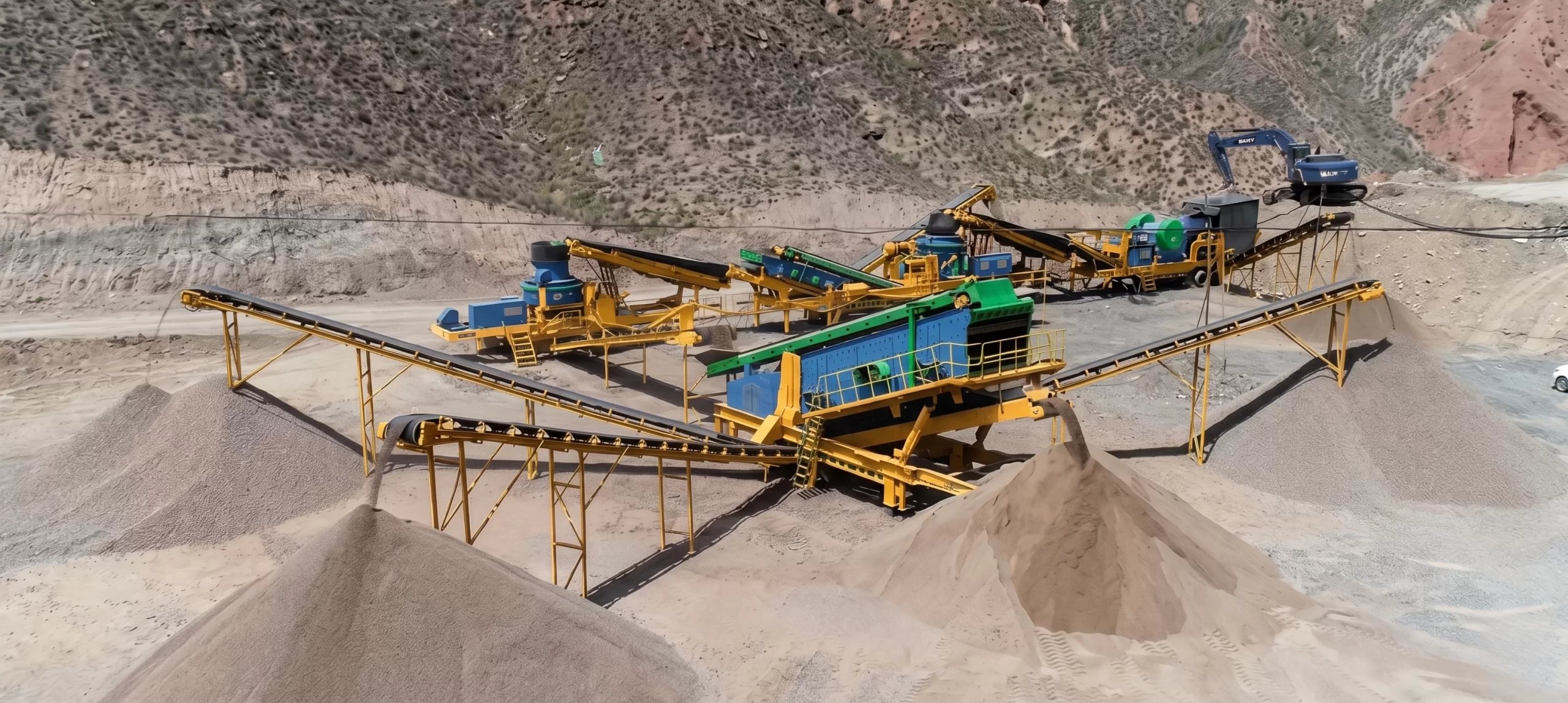
As the quarry face retreats, the cost of hauling raw stone goes up. Fuel and tire expenses for massive dump trucks can become a dominant part of your overhead. Forward-thinking cement producers are now moving toward mobile cement crushers to shorten the haulage distance.
These tracked units follow the blast face, processing stone directly at the source. This enables the use of cheaper, more efficient belt conveyors for long-distance transport. While these machines handle the primary work, some specialized applications may still require a dedicated [rock grinder machine] for ultra-fine mineral processing. However, the mobile crusher remains the engine of quarry profitability.
Sustaining Peak Production Levels
Substandard machinery might look attractive on a balance sheet at first. But in the harsh environment of a cement plant, reliability is the only metric that matters. Every hour of downtime is a lost opportunity that you can never get back.
Dinbo engineers the most resilient cement crushers available for modern industrial applications. We focus on maximizing your operational uptime through superior metallurgy and intuitive hydraulic controls. Our engineering team is ready to analyze your specific quarry conditions to ensure you receive the most efficient crushing configuration for your limestone type.
Energy Saving Ball Mill
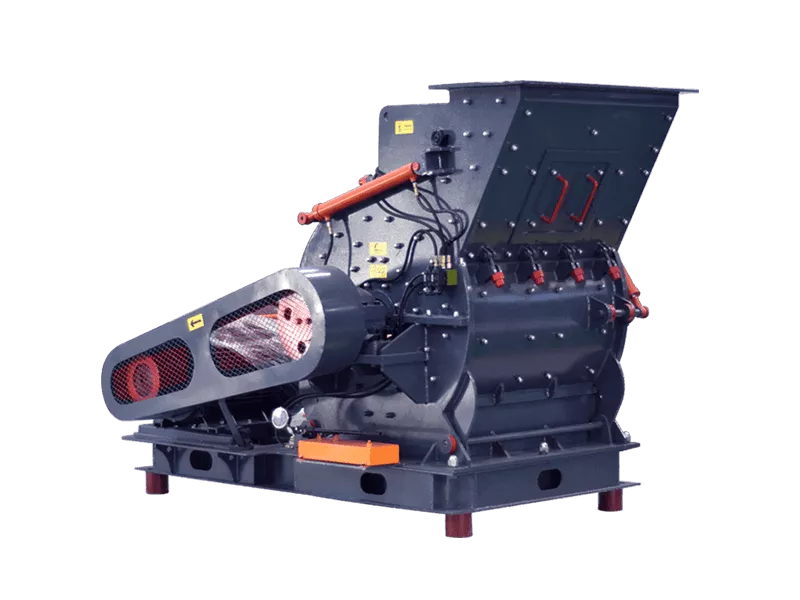
PC Coarse Powder Hammer Mill
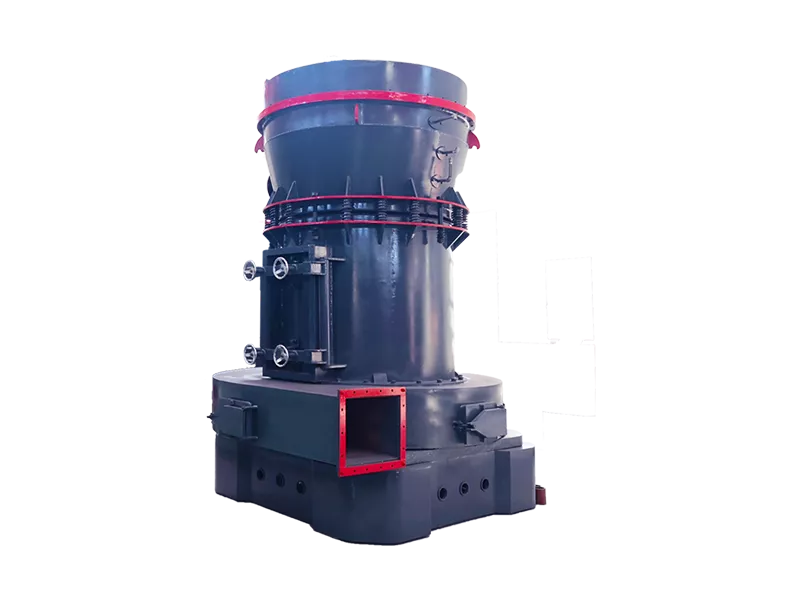
YGM High-pressure Suspension Mill
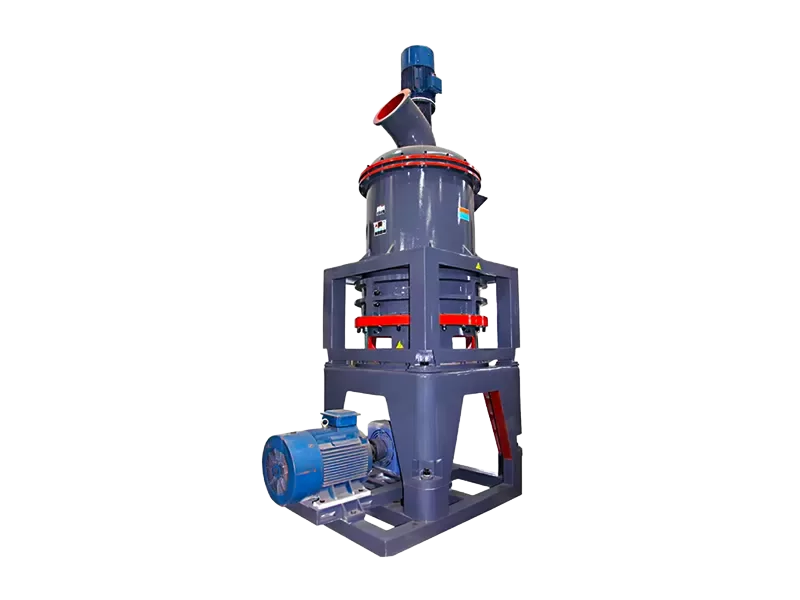
HGM Ultrafine Grinding Mill
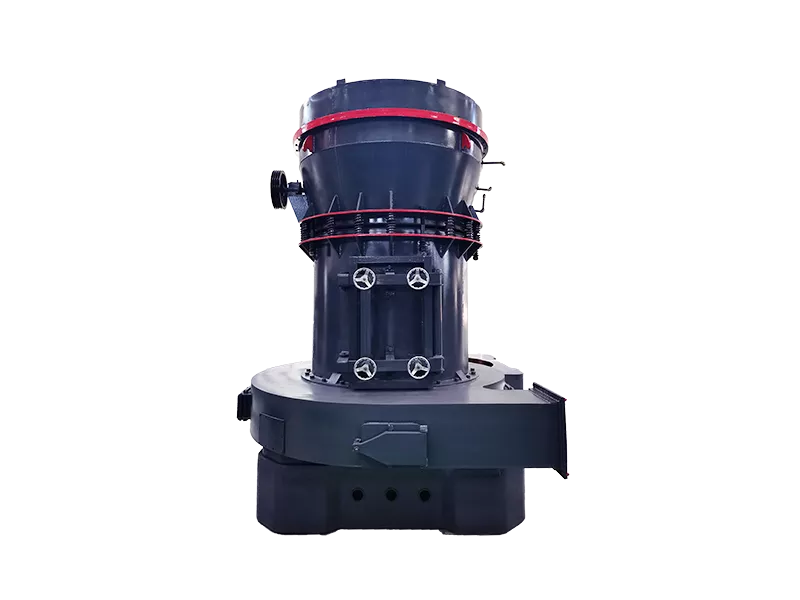
MTM Trapezium Grinding Mill
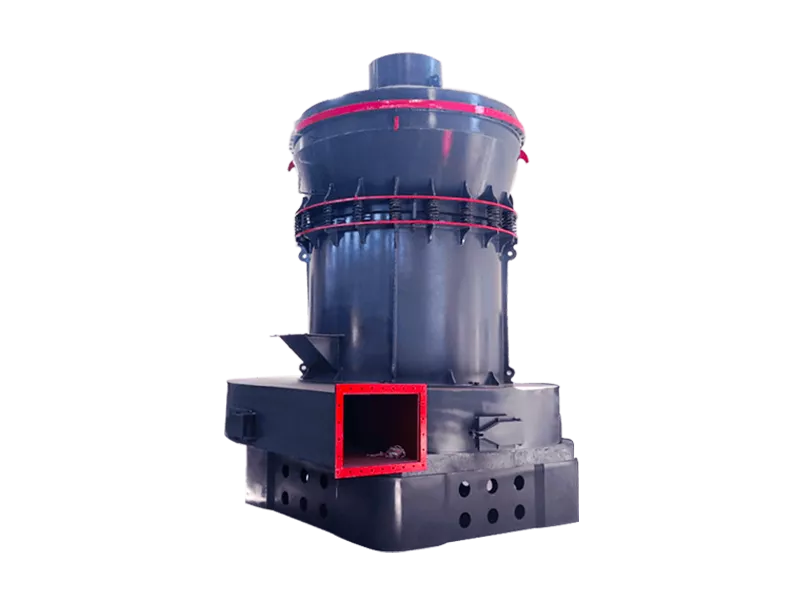
YGM Raymond Mill
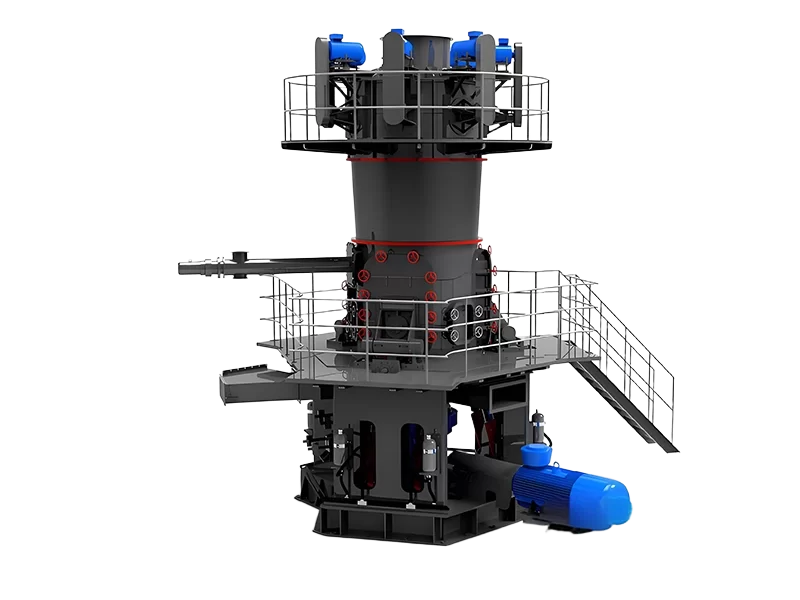
DBGM Vertical Roller Mill
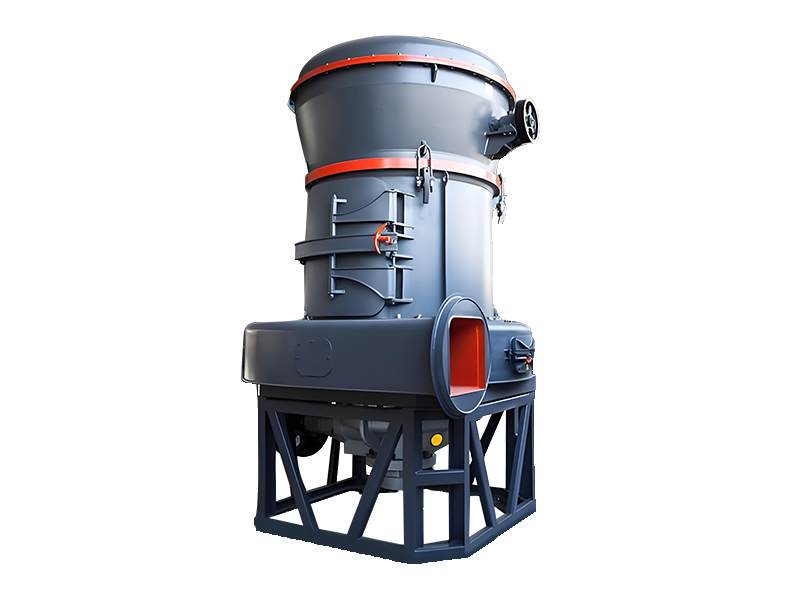
MDW European Type Grinding Mill
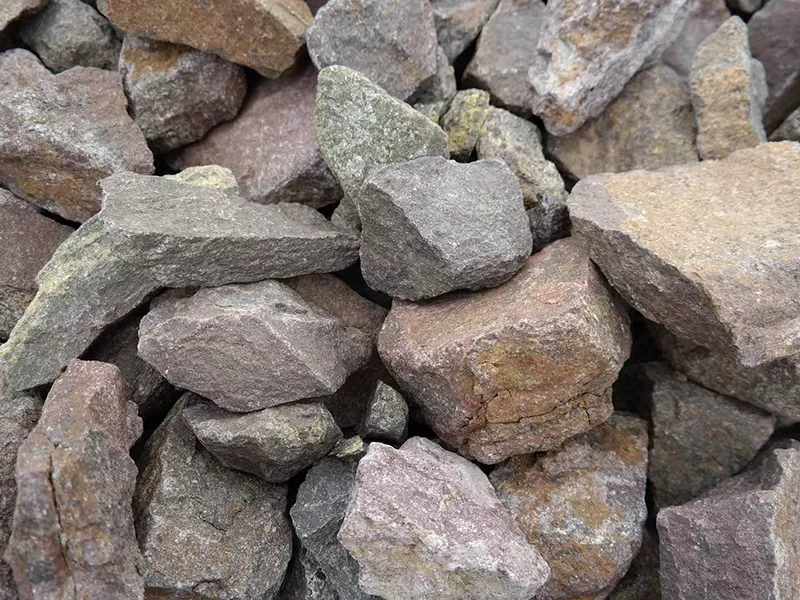
Company Case
Request a Quote