Contact Us
Request Form
This form is the fastest way to contact us for a free consultation, quote request or any other inquiry you might have.
You can also contact us through:
E-mail Adress
Sales Hotline
Company Address
You can also contact us through:
E-mail Adress
Sales Hotline
Company Address
Request Form
This form is the fastest way to contact us for a free consultation, quote request or any other inquiry you might have.
Recommend Equipment
Blog
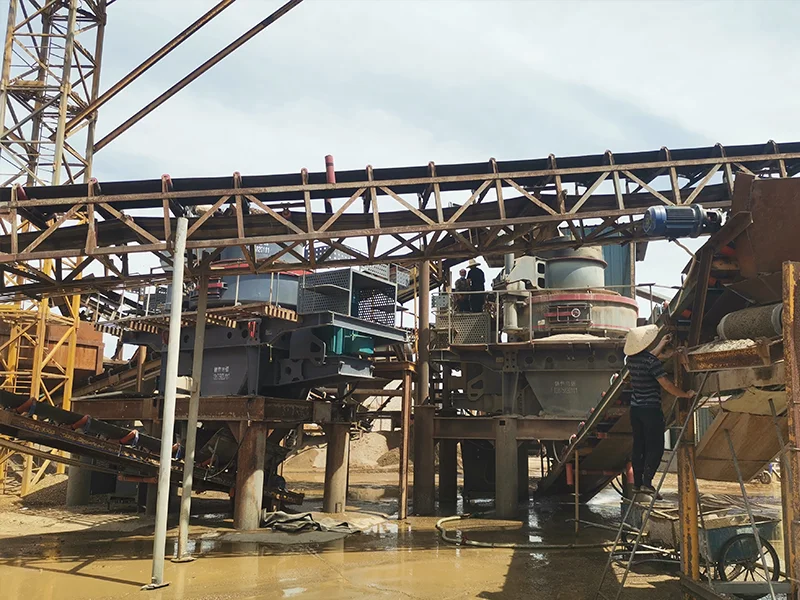
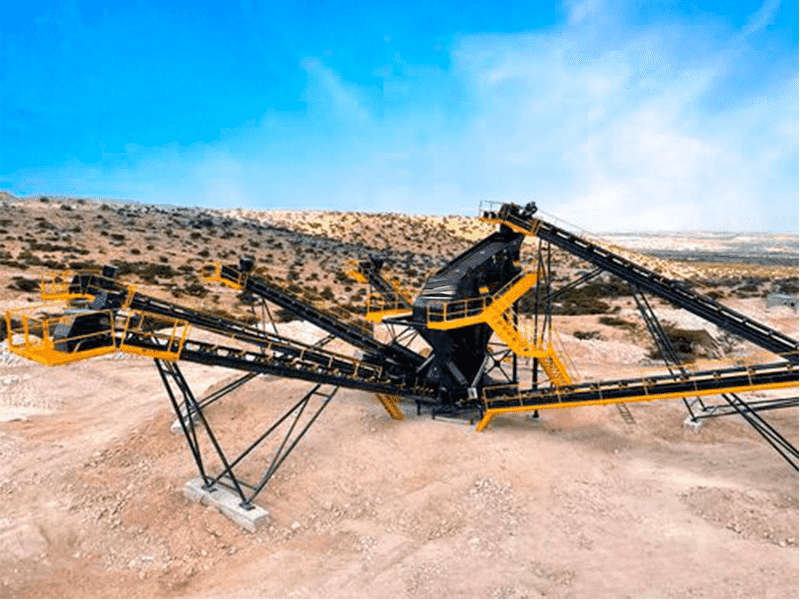
What Are the Components of a Sand and Gravel Production Line?
This article details the components of a sand and gravel production line, which include feeding, crushing, sand making, screening, and conveying stages. Key equipment includes vibrating feeders, jaw and cone crushers, impact crushers, sand making machines, vibrating screens, and belt conveyors. Each stage plays a crucial role in transforming raw materials into finished aggregates, ensuring a smooth and efficient production process.
5 Key Parameters for Aglime Crushing Equipment
This article identifies five critical parameters for selecting aglime crushing equipment, emphasizing that specialized machinery is required to achieve the fine powder consistency needed for soil treatment. It highlights the importance of micro-grind capability, heavy-duty dust seals, and wet material handling to ensure operational efficiency and product quality. By focusing on high-chrome wear parts and system synchronization, the text provides a technical roadmap for quarry owners to optimize their aglime production and maximize profitability.
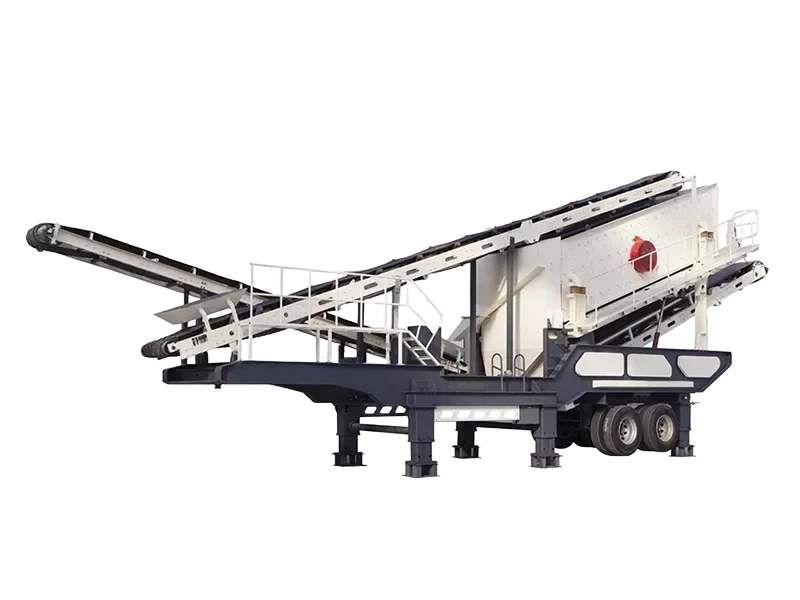
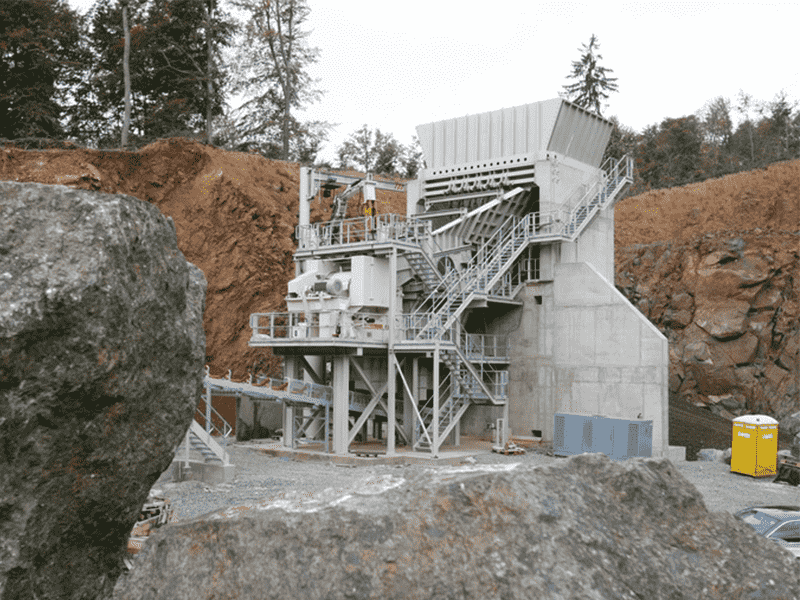
Why the Mobile Crushing Station Is a Qualitative Leap from the Fixed Crushing Production Line
The mobile crushing station offers energy efficiency, flexibility, and lower costs compared to fixed crushers. Discover how mobile crushing stations mark a transformative upgrade in material processing across various industries.
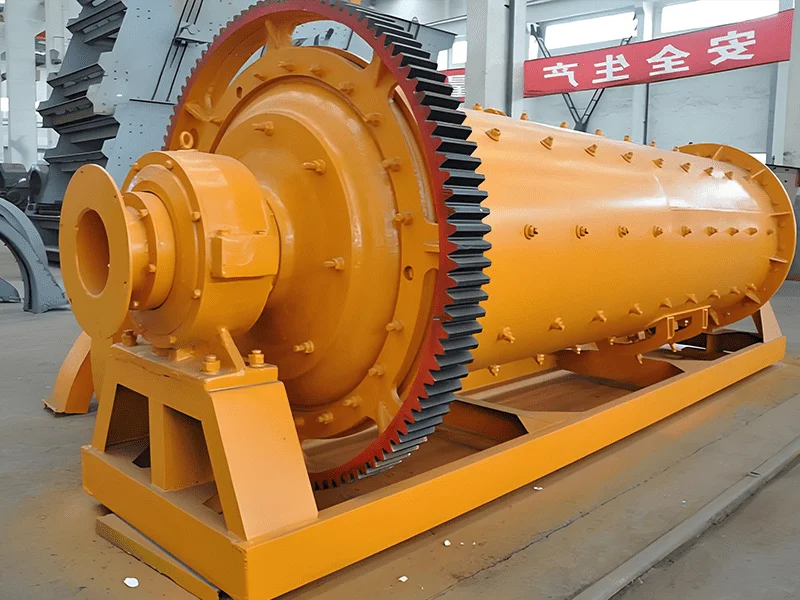
What Is a Ball Mill? Types, Applications, and Working Principle Explained
This article provides a comprehensive overview of the ball mill, a crucial grinding device with a century-long history. It details the ball mill’s widespread applications across various industries, including mineral processing, metallurgy, and pharmaceuticals, highlighting its versatility in handling diverse materials in both dry and wet grinding modes. The article then delves into the two primary types of ball mills used in mineral processing: the overflow ball mill, ideal for fine grinding and regrinding stages, and the grid ball mill, suited for primary grinding operations. It further explains the working principle of ball mills, emphasizing the impact of rotational speed on operating modes and grinding efficiency. This detailed guide offers valuable insights into the functionality and applications of ball mills, making it a valuable resource for understanding this essential piece of equipment.
Professional Services

Professional solution design

Provide customized services

Accessories support ensures production

Technical guidance training