Grinding Mills
Solutions
Blog
Professional Services

Request a Quote

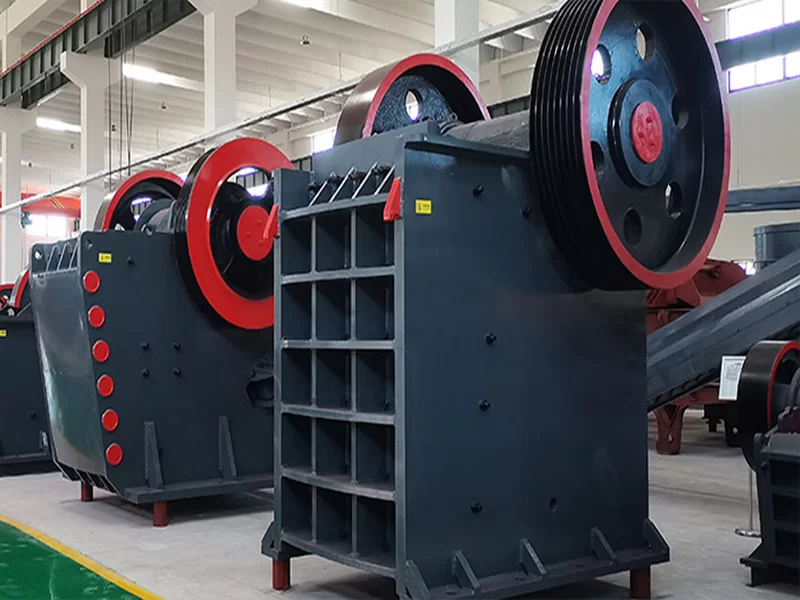
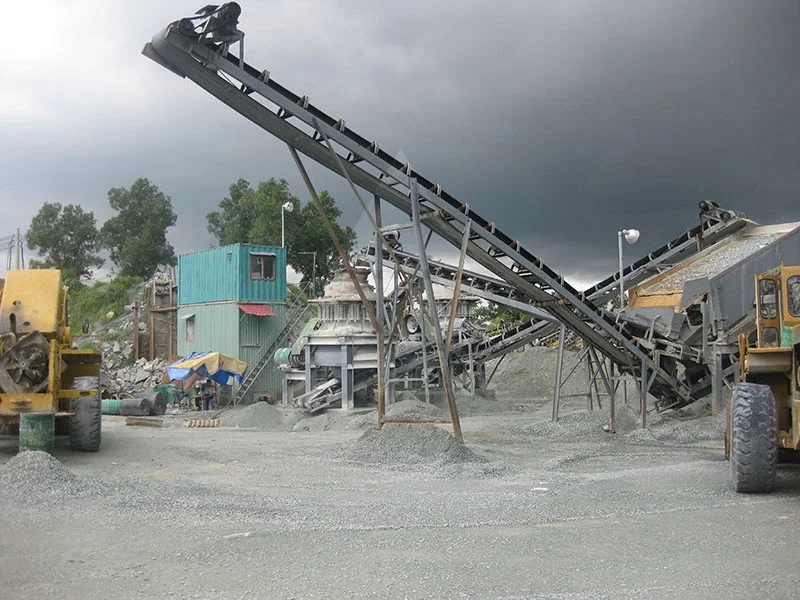
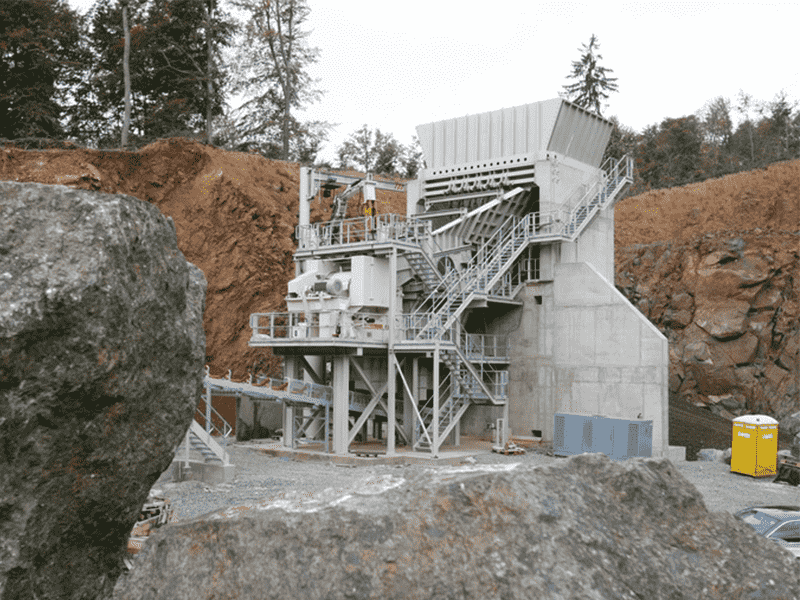
This article introduces crushing equipment used for processing granite, a high-hardness natural stone valued for its durability and aesthetic appeal in construction and decoration. It highlights the importance of selecting specialized crushers like jaw crushers for primary crushing, known for their powerful capacity and efficient size reduction, and cone crushers for secondary processing, which offer uniform granularity and low energy consumption. The article emphasizes choosing the right crusher model based on production needs and granite size for optimal results.
This article highlights the key differences between ball mills and rod mills, two widely used crushing equipment in industries like mining and construction. It delves into their structural variations, working principles, and application scopes. Ball mills, using steel balls, are suited for fine grinding and uniform mixing, while rod mills, employing steel rods, excel in coarse grinding of hard materials. The article also compares their grinding effects, energy consumption, maintenance requirements, and material suitability, emphasizing the importance of selecting the appropriate equipment based on specific material properties and production needs. This comprehensive comparison aids in making informed decisions for optimal grinding operations.
This article explores the relationship between ball mill output and powder fineness in industries like cement and chemicals. While finer powder is often desired, it’s not always better. Overgrinding can lead to loss of valuable minerals, increased costs, and lower efficiency. Conversely, too coarse a grind impacts separation processes. The key is to find a balance, controlling fineness to optimize both product quality and production efficiency. Proper operation and material consideration are also vital for maximizing output.
This article addresses the common issue of bearing damage in circular vibrating screens, a crucial piece of equipment in various industries. Improper bearing selection, incorrect fit tolerances, inadequate lubrication and sealing, and neglecting shaft thermal expansion are identified as key causes. Solutions include choosing the right bearing type (cylindrical or spherical roller bearings), ensuring proper fit tolerances, adopting thin oil lubrication systems, and designing for shaft thermal expansion. These measures can significantly reduce the risk of bearing failure and extend the equipment’s lifespan. For further assistance, consulting with experts like those at Dingbo Heavy Industry is recommended.


This website uses cookies
We use cookies to personalise content and ads, to provide social media features and to analyse our traffic. We also share information about your use of our site with our social media, advertising and analytics partners who may combine it with other information that you’ve provided to them or that they’ve collected from your use of their services.
Cookies are small text files that can be used by websites to make a user\'s experience more efficient.
The law states that we can store cookies on your device if they are strictly necessary for the operation of this site. For all other types of cookies we need your permission. This means that cookies which are categorized as necessary, are processed based on GDPR Art. 6 (1) (f). All other cookies, meaning those from the categories preferences and marketing, are processed based on GDPR Art. 6 (1) (a) GDPR.
This site uses different types of cookies. Some cookies are placed by third party services that appear on our pages.
You can at any time change or withdraw your consent from the Cookie Declaration on our website.
Learn more about who we are, how you can contact us and how we process personal data in our Privacy Policy.
Please state your consent ID and date when you contact us regarding your consent.